
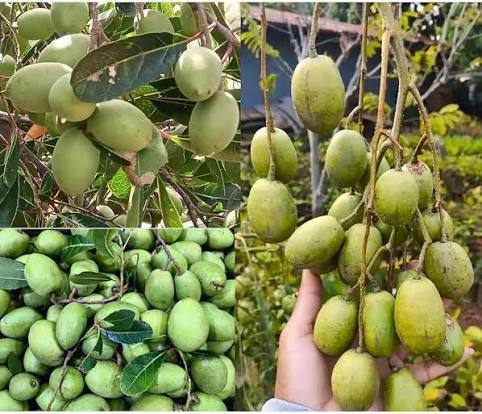
Few fruit trees evoke as much nostalgia across Indian households as the beloved Jolpai (Elaeocarpus serratus), widely celebrated as the Indian or Ceylon Olive. While wild varieties are famously mouth-puckering and reserved almost exclusively for pungent mustard pickles, the Sweet Jolpai (often cherished as Misti Jolpai) has become a treasured favourite in home gardens.
Unlike traditional wild olives, Sweet Jolpai yields plump, glossy green fruits with a delightful balance of gentle natural sweetness and mild tartness. You can bite into them straight from the tree, toss them into refreshing seasonal salads, or simmer them into mouthwatering sweet-and-sour chutneys.
Whether you have an expansive backyard or a sunny urban terrace, here is everything you need to know about growing a thriving Sweet Jolpai plant at home.
Why Grow Sweet Jolpai in Your Home Garden?
- Dual Culinary Appeal: Eat them fresh off the branch or turn them into traditional spiced preserves and achaar.
- Compact & Container-Friendly: Modern nursery-raised, grafted saplings adapt well to large pots and terrace planters, keeping them at manageable heights without sacrificing fruit yield.
- Ornamental Shade & Foliage: True to the spirit of Gacher Chaya—the comforting shade of green canopies—the Jolpai tree boasts lush, glossy evergreen leaves and clusters of delicate, lacy white blossoms that attract beneficial pollinators.
- Resilient to Indian Weather: Native to South Asia, Jolpai trees thrive naturally in India’s warm, subtropical climates and require minimal fuss once established.
Step-by-Step Growing & Care Guide
1. Sunlight & Placement
Sweet Jolpai is a sun-loving tropical tree.
- Sunlight Needs: Ensure your plant receives at least 5 to 6 hours of direct sunlight daily.
- Location: Place it on an open terrace, a south- or west-facing balcony, or an unshaded spot in your garden. Insufficient sunlight will slow down vegetative growth and reduce flowering.
2. The Ideal Pot & Potting Mix
Good drainage is critical to keep the root system healthy and aerated.
- Pot Size: If starting with a medium-sized Sweet Jolpai sapling, choose a container that is at least 14 to 18 inches in diameter with ample drainage holes at the base. As the plant matures over 2–3 years, you can up-pot it to a 20–24 inch planter or drum.
- Potting Recipe:
- 40% Garden Soil
- 30% Well-rotted Cow Manure or Vermicompost
- 20% Cocopeat (to retain light moisture)
- 10% Coarse Sand or Perlite (for rapid drainage)
- Optional: Add a handful of neem cake powder to safeguard roots against soil-borne pests.
3. Watering Needs: The Balance
- During Summer: Water regularly. Check the top 1–2 inches of soil; when dry to the touch, water deeply until moisture drains out of the bottom holes.
- During Monsoon: Ensure pots are elevated on pot stands so rainwater drains freely. Never allow stagnant water to pool in saucers.
- During Winter: Reduce watering frequency, keeping the soil lightly moist but never soggy.
4. Feeding for Abundant Fruiting
Sweet Jolpai is a moderate feeder:
- Pre-Flowering (Late Winter / Early Spring): Top-dress the pot with aged compost, bone meal, or a balanced organic fruit fertiliser rich in phosphorus and potassium to encourage flower bud formation.
- Active Growing Season: A monthly dose of diluted seaweed liquid extract or mustard cake liquid fertiliser will keep the foliage vibrant and disease-resistant.
5. Pruning & Canopy Management
- Prune lightly once a year after the fruiting season ends.
- Remove dead, crossing, or diseased twigs to allow direct sunlight and fresh air to penetrate deep into the canopy.
- Tip-prune apical shoots if you wish to maintain a compact, bushy habit suitable for terrace gardens.
Harvesting: When Do Sweet Jolpai Fruits Ripen?
Sweet Jolpai typically blooms in spring with drooping sprays of dainty white flowers, with fruits developing over summer and maturing through autumn to early winter (between September and December across most of India).
Harvest the fruits when they turn plump, firm, and develop a smooth, light olive-green skin.
Frequently Asked Questions (FAQs)
Can a Sweet Jolpai tree produce fruit in a pot?
Yes. When you plant a healthy, nursery-grown grafted or air-layered sapling, it can readily flower and set fruit in large terrace containers (16–24 inches).
What is the difference between wild Jolpai and sweet Jolpai?
Wild Indian olives are intensely sour, fibrous, and astringent, almost always requiring boiling and heavy pickling spices. Sweet Jolpai has significantly lower acidity, softer flesh, and a pleasant natural sweetness that allows it to be eaten fresh.
How soon will a nursery-bought plant bear fruit?
A vigorous, medium-sized grafted sapling from Bonotol typically starts flowering and setting fruit within 1 to 2 years of planting, compared to 5–7 years for seed-grown trees.
Bring Home Your Own Sweet Jolpai Tree
Adding a homegrown fruit tree to your terrace brings fresh harvests and lasting greenery to your daily living space.
At Bonotol, we nurture every Sweet Jolpai Medium Live Plant in our nursery to ensure robust root development and disease-free foliage. Our specialised, transit-safe packaging protects the root ball and leaves throughout transit, delivering a fresh, ready-to-pot plant directly to your doorstep anywhere in India.
Looking to expand your home orchard? Explore our full collection of grafted fruit plants and trees—including all-time mangoes, sweet citrus, and exotic guavas.