
With its unusual folds, ridges and almost brain-like form, the Buddha Cactus is far from an ordinary houseplant. Compact, sculptural and relatively low maintenance, it works beautifully on sunny window sills, work-from-home desks, shelves and small apartment balconies.
But there is one important thing to remember: low maintenance does not mean no maintenance.
Most problems with Buddha cactus in Indian homes come from too much water, poorly draining soil or keeping the plant in a dark indoor corner. India’s humid summers and long monsoon season make correct watering particularly important.
This Buddha Cactus care guide explains how much sunlight it needs, how to water it correctly, the best cactus soil mixture, suitable pots, monsoon care and how to keep your plant healthy throughout the year.
If you are looking for one for your collection, explore the Buddha Cactus Plant at Bonotol and compare it with other plants in Bonotol’s Indoor Plants collection.
What Is a Buddha Cactus?
The Buddha Cactus, sold as an ornamental houseplant, is valued mainly for its unusual sculptural growth.
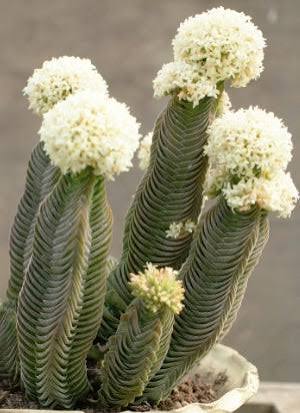
Instead of producing the simple upright shape people normally associate with a cactus, its growth develops fascinating ridges and folds. This gives the plant its distinctive brain-like appearance.
You may therefore also see similar plants described using terms such as brain cactus, crested cactus or sculptural cactus.
That unusual shape is precisely what makes the Buddha Cactus such an attractive choice for modern interiors.
It doesn’t require a large planter or a lot of floor space, making it particularly suitable for apartments and smaller Indian homes.
Buddha Cactus Care at a Glance
The basic rule is simple: give your Buddha Cactus plenty of light, excellent drainage and much less water than a typical foliage houseplant.
For the best results, keep it in strong light with some gentle morning sun, plant it in a fast-draining gritty cactus mix, and water thoroughly only after the potting medium has dried.
During humid or rainy weather, allow even more time between waterings.
A Buddha cactus usually suffers far more quickly from excessive moisture than from being slightly dry.
How Much Sunlight Does Buddha Cactus Need?
Light is one of the most important parts of successful crested cactus indoor care.
Place the plant somewhere that receives plenty of bright light throughout the day.
A position close to an east-facing window can be excellent because the cactus receives gentle morning sunlight followed by bright indirect light.
Around 2–4 hours of mild morning sun can work well for an established plant, provided you have gradually accustomed it to stronger light.
Strong afternoon sunlight coming through glass can be much harsher.
If a Buddha cactus has been grown in shade or transported inside a box, never move it directly into several hours of intense sunlight. Sudden exposure can cause sun stress or scorching.
Increase sunlight gradually over several days.
Can Buddha Cactus Grow Indoors?
Yes, but “indoors” shouldn’t mean “dark”.
Your Buddha Cactus should ideally remain close to a bright window, balcony door or another location receiving strong natural light.
A dark desk several metres away from a window may look attractive, but it generally isn’t the best permanent growing position.
If you want to use your cactus as a low-maintenance desk cactus in India, keep it on the desk when there is sufficient natural light or periodically return it to a much brighter growing position.
How to Water Buddha Cactus Correctly
The best approach is the soak-and-dry method.
Instead of giving the cactus a small amount of water every few days, wait until the potting medium is dry. Then water is poured thoroughly so that it reaches the root zone and excess water flows freely through the drainage hole.
After that, wait again.
Do not water according to a rigid calendar.
A cactus may dry considerably faster during a hot, sunny April than during a humid week in July or August.
Before watering, check the potting medium several centimetres below the surface, rather than judging it only by the top layer.
If the soil underneath still feels damp, wait.
How Often Should You Water Buddha Cactus in India?
There is no single number that works for every home.
Pot size, temperature, sunlight, humidity, soil mixture and season all change how quickly the roots dry.
During hot, dry periods, your plant may require watering more frequently. During India’s humid monsoon months, the interval can become significantly longer.
The correct question is therefore not:
“Has it been seven days since I watered?”
Instead ask:
“Has the growing medium dried sufficiently?”
That simple change in approach can prevent many cactus problems.
Buddha Cactus Care During the Indian Monsoon
Monsoon is probably the season when Buddha Cactus owners need to be most careful.
High atmospheric humidity combined with constantly wet potting mix can keep the roots damp for too long.
Protect outdoor or balcony plants from continuous rainfall. If the cactus is kept indoors, make sure the room still has good ventilation and bright light.
Never leave the pot standing inside a saucer filled with drainage water.
During prolonged humid weather, it is perfectly normal for a cactus to remain unwatered longer than during summer.
Always let the plant and potting medium tell you when watering is necessary.
Best Soil for Buddha Cactus
Ordinary garden soil alone is generally too dense for cactus roots, particularly under humid Indian conditions.
The ideal mix should drain rapidly while still holding enough moisture for roots to absorb water after irrigation.
A practical cactus mixture can combine a smaller organic component with plenty of mineral material such as perlite, pumice or coarse horticultural sand.
The finished mixture should feel loose and gritty rather than sticky or compact.
If you water the plant and the soil remains heavy and saturated for days, the mixture probably needs better drainage.
Avoid extremely fine sand because it can compact rather than improve aeration.
The objective is not simply to make water disappear from the top of the pot. The entire root zone should contain enough air spaces to allow oxygen around the roots.
Choosing the Right Pot for Buddha Cactus
Drainage holes are essential.
A beautiful decorative container without a drainage hole may look attractive, but it creates unnecessary risk.
Terracotta
Terracotta is an excellent option for growers who tend to overwater. Its porous walls allow moisture to evaporate more quickly.
This type of pot can be particularly useful in humid climates.
Ceramic
A ceramic pot can work equally well as long as it has a proper drainage hole.
Glazed ceramic normally retains moisture longer than unglazed terracotta, so adjust watering accordingly.
Plastic
Plastic pots are lightweight, inexpensive and perfectly usable for cactus cultivation.
However, moisture generally evaporates more slowly from plastic than from terracotta.
If you use plastic, excellent drainage and careful watering become even more important.
Whichever material you choose, avoid planting a small Buddha cactus in an unnecessarily huge container. A huge mass of wet soil can take much longer to dry.
Should You Mist a Buddha Cactus?
Usually, no.
Buddha Cactus does not require the frequent leaf misting commonly used for tropical foliage plants.
Repeatedly spraying water into the cactus’s folds and keeping them damp can be counterproductive, particularly during humid weather.
Water the root zone when required and provide good air flow around the plant.
Fertiliser for Buddha Cactus
Buddha Cactus is not a heavy feeder.
During active growth, an occasional diluted cactus or succulent fertiliser can support healthy development.
Avoid thinking that more fertiliser will make the plant grow dramatically faster. Excess feeding can cause unhealthy growth and may contribute to salt accumulation in the growing medium.
A well-lit plant with healthy roots and correct watering is much more important than aggressive fertilisation.
Reduce or stop feeding when growth slows significantly.
Signs You May Be Overwatering
Overwatering does not always produce obvious symptoms immediately.
Be alert if the plant begins becoming unusually soft, discoloured or unstable around its base, especially when the soil remains wet for long periods.
A constantly damp, unpleasant-smelling potting medium is another warning sign.
If you suspect excessive moisture, stop watering and inspect drainage conditions.
Severe rot may require removing damaged material and repotting healthy sections into a fresh, dry, fast-draining cactus mixture.
Prevention is considerably easier than treating advanced root rot.
How to Style Buddha Cactus Indoors
One reason the Buddha Cactus has become such an interesting decorative plant is that it looks more like a miniature living sculpture than a conventional houseplant.
A simple terracotta or neutral ceramic planter allows its unusual shape to become the focal point.
It can work especially well on a bright work-from-home desk, window sill, bookshelf near a sunny window or minimalist side table.
Avoid surrounding the plant with too many decorative objects. Its ridged form is striking enough to stand alone.
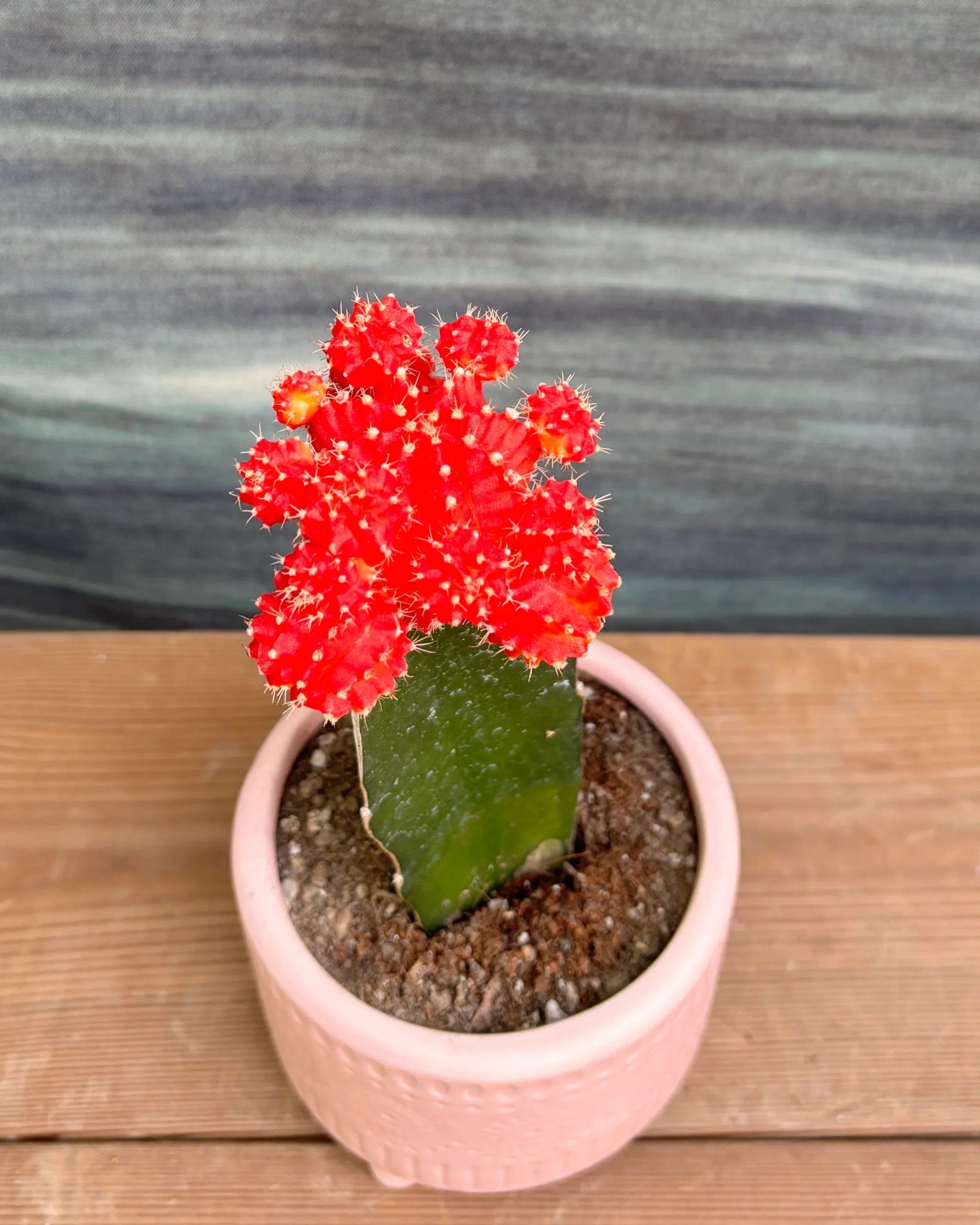
For a colourful contrast, pair it with a pink moon cactus. The sculptural green Buddha cactus and bright pink moon cactus can create an attractive miniature cactus display without requiring much space.
You can discover more compact plants through Bonotol’s Indoor Plants collection.
Buddha Cactus vs Pink Moon Cactus
Both plants can work beautifully in small-space plant collections, but visually they create entirely different effects.
Buddha Cactus provides texture and unusual architectural form. Pink Moon Cactus provides an immediate splash of bright colour.
Placing the two in separate small pots creates a more flexible display than planting them together. Separate containers also allow watering to be adjusted according to each plant’s requirements.
For a home-office setup, try arranging them beside each other near a bright window rather than placing them in a low-light corner simply for decoration.
Can Buddha Cactus Be Kept on a Work Desk?
Yes — provided the desk receives sufficient natural light.
This is an important distinction.
The Buddha Cactus is compact enough to make an excellent desk plant, but the fact that a cactus fits on a desk does not automatically mean that typical office lighting is enough for long-term growth.
A desk positioned beside a bright window is ideal.
For desks farther from natural light, keep the plant primarily in a brighter location and use it on the desk only occasionally.
Repotting Buddha Cactus
You don’t need to repot a newly purchased cactus immediately unless there is a clear problem with the growing medium or container.
When repotting becomes necessary, choose a pot only slightly larger than the existing root system.
Use fresh, gritty cactus soil and handle the root system carefully.
If roots were damaged during repotting, avoid immediately saturating the newly disturbed plant. Allow minor root injuries time to dry before returning to normal watering.
Common Buddha Cactus Care Mistakes
The most common mistakes are giving the plant frequent small drinks of water, growing it in dense garden soil, using a decorative pot without drainage, leaving it outdoors during continuous monsoon rain, placing it in a dark room, or suddenly moving a shade-grown plant into intense afternoon sunlight.
Most of you can avoid most of these problems by remembering three things:
Strong light. Fast drainage. Water only after drying.
Those three principles form the foundation of successful Buddha Cactus care.
Is Buddha Cactus a Good Plant for Beginners?
Yes, especially for someone willing to resist the temptation to water frequently.
The Buddha Cactus can be a rewarding introduction to collecting unusual cactus and succulent plants because it combines distinctive appearance with relatively straightforward care.
It is particularly well suited to people who want greenery but do not want a plant demanding daily attention.
Its compact size also makes it convenient for apartments, desks and bright window sills.
Buy Buddha Cactus Online in India
If you want to add an unusual sculptural cactus to your collection, explore the Buddha Cactus Plant at Bonotol.
Its compact brain-like growth makes it suitable for bright window sills, home-office displays and small-space cactus collections.
You can also browse Bonotol’s Indoor Plants collection for more easy-care plants and pair your Buddha Cactus with colourful options like the Pink Moon Cactus.
When buying a Buddha Cactus plant in India, remember that good care after delivery matters just as much as choosing the plant itself.
Give it excellent drainage, plenty of light and a careful soak-and-dry watering routine, and it can become one of the most distinctive plants in your collection.
Frequently Asked Questions About Buddha Cactus Care
How often should I water Buddha Cactus?
Water only after the growing medium has dried sufficiently. Do not follow a fixed weekly schedule because drying time changes with temperature, humidity, pot size and season.
Can Buddha Cactus survive indoors?
Yes. Buddha cactus can grow indoors when kept near a bright window or in another position receiving strong natural light. A permanently dark room is unsuitable.
Does Buddha Cactus need direct sunlight?
Bright light is important. Gentle morning sunlight can be beneficial, but plants should be gradually acclimatised before exposure to stronger direct sun.
What is the best soil for the Buddha cactus?
Use a fast-draining cactus mixture containing plenty of gritty mineral components such as perlite, pumice or coarse horticultural sand. Avoid dense soil that remains wet for several days.
Is Buddha Cactus good for a work-from-home desk?
Yes, particularly when the desk is close to a bright window. Its compact size and sculptural appearance make it an attractive low-maintenance desk cactus for Indian homes.
Can I keep the Buddha cactus outside during the monsoon?
It can receive good outdoor light, but protect the pot from prolonged or continuous rainfall. Constantly saturated soil greatly increases the risk of root problems.
Is a Buddha cactus the same as a brain cactus?
“Brain cactus” and “crested cactus” are common descriptive terms used for cacti that develop unusual folded or crested growth. Exact botanical identification should be based on the specific plant rather than the common name alone.