
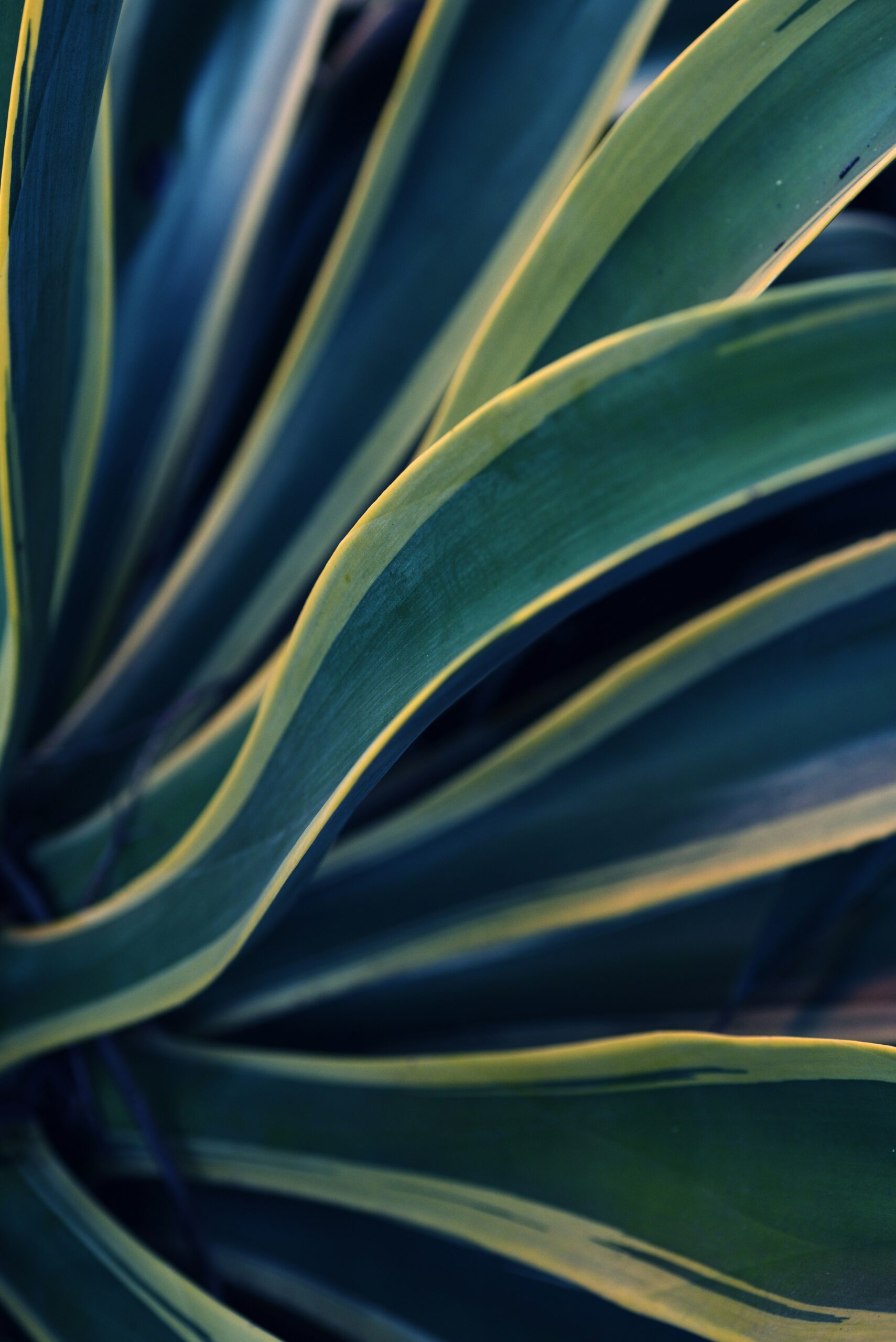
Agave is one of the best choices for gardeners looking for a bold, architectural plant that requires relatively little maintenance. Its thick, pointed leaves form an attractive rosette and give balconies, terraces, patios, rock gardens and sunny indoor spaces a striking appearance.
Agave plants are also well suited to many Indian growing conditions because they tolerate heat and periods of dryness far better than plants that require constantly moist soil.
If you are looking to add one to your collection, you can buy an Agave Plant online from Bonotol with doorstep delivery across serviceable locations in India.
About the Agave Plant
Botanical name: Agave spp.
Common name: Agave Plant
Plant type: Succulent / perennial
Light: Bright light to full sun
Watering: Low
Soil: Very well-draining
Difficulty: Easy
Suitable for: Balcony, terrace, outdoor garden and bright indoor locations
Agave plants originate primarily from hot, relatively dry regions of the Americas. Their thick leaves store water, allowing established plants to tolerate dry conditions remarkably well.
For Indian gardeners, the most important rule is simple:
Agave handles dry soil much better than continuously wet soil.
How to Care for an Agave Plant in India
1. Sunlight Requirements
Agave grows best when it receives plenty of light.
Ideally provide:
- 4–6+ hours of sunlight daily
- Bright morning sunlight is excellent.
- Established plants can tolerate considerably stronger sunlight.
- Indoor plants should be placed close to a bright window or balcony.
An Agave kept permanently in a dark room may become weak, elongated or lose its compact shape.
For Kolkata and humid regions
Agave can grow successfully in Kolkata, but the combination of high humidity and monsoon rainfall means drainage becomes particularly important.
During prolonged rain, avoid allowing the potting medium to remain saturated for days.
2. How Often Should You Water Agave?
Overwatering is probably the most common reason Agave plants fail.
Always check the growing medium before watering.
Recommended method
Insert your finger approximately 2–3 inches into the soil.
If it still feels damp, do not water yet.
When the soil becomes dry, water thoroughly until excess water drains through the bottom of the pot.
Approximate watering frequency
During hot weather:
Around once every 7–12 days, depending on sunlight, pot size and soil.
During cooler months:
Water considerably less frequently.
These are only guidelines. Soil moisture should determine watering rather than following a fixed calendar.
3. Best Soil Mix for Agave
Agave needs fast-draining soil.
Heavy garden soil alone should generally be avoided because it can retain too much moisture around the roots.
A practical Agave potting mixture can contain:
- 40% garden soil
- 25% coarse sand
- 20% compost or vermicompost
- 15% brick chips, gravel, rice husk or another drainage material
You can adjust the ingredients depending on what is locally available.
The objective is to create a medium where excess water escapes quickly.
Important
Never use a pot without drainage holes.
Even excellent soil cannot compensate for a container that traps water.
4. Best Pot for an Agave Plant
Choose a pot that is only moderately larger than the root system.
Suitable containers include:
- Terracotta pots
- Plastic nursery pots
- Cement planters
- Ceramic pots with drainage holes
A very oversized pot may retain moisture for longer than necessary.
For outdoor Agave plants exposed to monsoon rain, additional drainage holes can be particularly helpful.
5. Fertilizer for Faster Agave Growth
Agave isn’t a heavy feeder.
During the active growing season you can apply a mild fertilizer approximately every 30–45 days.
Options include:
- Vermicompost
- Well-decomposed compost
- Balanced liquid fertilizer
- Diluted seaweed fertilizer
Avoid excessive nitrogen fertilizer. Too much feeding can encourage soft growth rather than the strong, compact foliage that makes Agave attractive.
A handful of vermicompost around the outer portion of the pot every month or two is sufficient for many container-grown plants.
6. Agave Care During the Indian Monsoon
Monsoon care deserves special attention, particularly in West Bengal and other humid regions.
The greatest danger isn’t rainfall itself; it is waterlogged soil.
During prolonged rain:
- Keep pots in an area protected from continuous rainfall.
- Ensure drainage holes remain open.
- Avoid placing a tray filled with water underneath the pot.
- Stop unnecessary watering.
- Remove badly damaged or rotting leaves.
- Maintain airflow around the plant.
If the centre or base of an Agave becomes unusually soft or develops a foul smell, root or crown rot may have begun.
7. Agave Care During Winter
Most Agave plants require relatively little attention during winter.
Reduce watering because the potting medium generally dries more slowly.
Continue providing as much sunlight as possible.
In most warm parts of India, Agave can remain outdoors through winter. Plants in areas experiencing extreme cold may require additional protection depending on the particular Agave species.
8. Can Agave Be Grown Indoors?
Yes, but Agave should not be treated as a low-light houseplant.
For indoor growing, place it:
- Next to a sunny window
- Near a bright balcony
- In an area receiving several hours of strong natural light
If your room receives virtually no natural sunlight, Agave is better kept outdoors.
9. How to Propagate Agave
Many Agave varieties produce small plants called pups or offsets near the mother plant.
These can eventually be separated to produce new plants.
Propagation method
- Wait until the offset has developed a reasonable size.
- Carefully remove the mother plant from the pot if necessary.
- Separate the pup while retaining some roots whenever possible.
- Allow any damaged/cut area to dry briefly.
- Plant it in a small pot containing well-draining soil.
- Avoid heavy watering immediately after planting.
- Place it in bright indirect light while it establishes.
Once established, gradually increase sunlight.
This makes mature Agave plants particularly useful for gardeners wanting to multiply their collection.
10. Common Agave Problems
Yellowing Leaves
Possible causes include:
- Overwatering
- Poor drainage
- Insufficient sunlight
Check soil moisture first.
Soft or Mushy Base
This can indicate rot.
Stop watering immediately and inspect the roots and crown.
Severely rotten portions may need to be removed before the plant can be recovered.
Brown Leaf Tips
Some browning of older leaves can occur naturally.
Other potential causes include:
- Physical damage
- Sudden environmental changes
- Extreme heat
- Root stress
Minor dry tips aren’t normally a serious concern if the remainder of the plant is healthy.
Long, Weak Growth
Insufficient sunlight is usually the first thing to investigate.
Gradually move the plant toward a brighter location rather than suddenly exposing a shade-grown plant to intense afternoon sun.
11. Agave vs Aloe Vera
Agave and Aloe may appear somewhat similar, but they’re different plants.
Agave generally has:
- Firmer, more fibrous leaves
- Strong architectural growth
- Sharper leaf tips
- A dense rosette structure
Aloe leaves tend to be softer and contain the familiar gel.
You should not use Agave leaves as a substitute for Aloe Vera.
12. Is Agave Easy to Maintain?
Yes.
Agave can be an excellent plant for beginners because it doesn’t require daily attention.
Successful Agave care largely comes down to three things:
Strong light + excellent drainage + careful watering.
Give it those conditions and Agave can remain attractive for many years.
Where to Buy Agave Plant Online in India
Bonotol offers Agave plants suitable for home gardens, balconies, terraces and plant collections.
🌱 Buy Agave Plant Online from Bonotol
Bonotol plants are carefully checked and securely packed before dispatch to help them arrive safely at your doorstep.
If you enjoy growing unusual plants, you can also read our detailed How to Grow Dragon Fruit in India – Complete Growing & Care Guide for another excellent plant-growing project.
Frequently Asked Questions About Agave
Does Agave need direct sunlight?
Yes. Most Agave varieties perform best with several hours of direct sunlight or very strong natural light every day.
How often should I water Agave?
Water only after the growing medium has dried substantially. Avoid maintaining constantly moist soil.
Can Agave survive the Kolkata climate?
Yes. Kolkata’s heat isn’t usually the main problem. During the humid monsoon, protecting Agave from prolonged waterlogging is much more important.
Can Agave grow in a balcony?
Absolutely. A sunny balcony with good airflow is an excellent location.
Can I grow Agave in a pot?
Yes. Agave performs very well in containers provided the pot has adequate drainage.
Why is my Agave turning yellow?
Overwatering and poor drainage are common causes. Check whether the soil remains wet for extended periods.
Does Agave produce baby plants?
Many Agave varieties produce offsets or pups around the mother plant that can eventually be separated and propagated.