

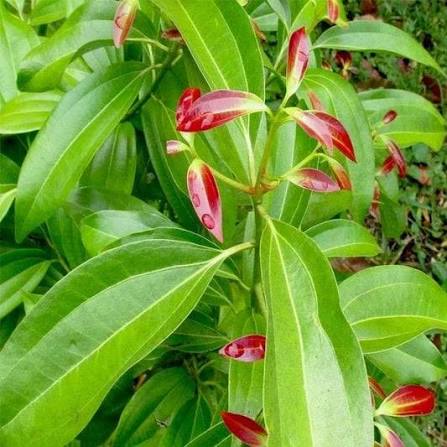
Bay Leaf, commonly known as Tejpatta in India, is one of those plants that is both useful and attractive. Its aromatic leaves are widely used in Indian cooking, especially in rice dishes, pulao, biryani, curries and soups.
The good news is that Tejpatta can also be grown successfully at home. With enough sunlight, proper watering, good drainage and occasional feeding, the plant can grow well in a garden, on a terrace or even in a large balcony container.
For anyone building a kitchen garden, Bay Leaf is a practical plant because it gives you fresh greenery as well as leaves that can be harvested for cooking.
What Is a Bay Leaf or Tejpatta Plant?
The Bay Leaf plant is an aromatic evergreen plant grown mainly for its fragrant leaves. Mature leaves can be used fresh or dried and stored for later use.
When planted in the ground, a healthy Bay Leaf plant can gradually grow into a small tree. In containers, however, it can be kept much more compact with regular pruning.
That makes it suitable for:
- Home gardens
- Terrace gardens
- Balconies
- Patios
- Kitchen gardens
- Large containers or grow bags
Bay Leaf Plant Care at a Glance
| Care Requirement | Recommended Care |
|---|---|
| Common Name | Bay Leaf, Tejpatta |
| Plant Type | Aromatic evergreen plant |
| Sunlight | Around 4–6 hours daily |
| Soil | Rich and well-draining |
| Watering | Water when topsoil becomes dry |
| Pot Size | 16–18 inches or larger |
| Fertilizer | Compost every 30–45 days |
| Pruning | Light pruning to maintain shape |
| Best Location | Balcony, terrace, patio or garden |
| Harvesting | Harvest mature leaves as required |
These basic recommendations are taken directly from the care guide.
Sunlight Requirements for Bay Leaf
Bay Leaf plants perform best in a bright outdoor location.
Try to give the plant approximately 4–6 hours of direct sunlight every day. Morning sunlight is particularly useful for plants kept on balconies and terraces.
If the plant remains in deep shade for long periods, growth may slow down and it may produce fewer aromatic leaves.
For outdoor plants:
- Choose a bright location with good airflow.
- Protect young plants from very harsh afternoon heat.
- Rotate container-grown plants occasionally so all sides receive light.
- Avoid permanently dark corners.
Best Soil for Tejpatta
Bay Leaf plants prefer soil that is rich, loose and well-draining.
Good drainage is important because constantly wet soil can damage the root system.
A practical potting mix can contain:
- 40% garden soil
- 30% compost or well-rotted organic manure
- 20% cocopeat
- 10% sand or perlite
Mix everything thoroughly before planting, and always use a pot with drainage holes at the bottom.
How to Plant Bay Leaf in a Pot
Growing Tejpatta in a container is straightforward if the pot is large enough and drains properly.
- Select a pot at least 16–18 inches wide.
- Make sure the container has drainage holes.
- Cover the holes lightly with mesh or small pieces of broken pottery.
- Add a well-draining potting mixture.
- Place the plant in the centre.
- Keep the root ball at roughly the same level as it was in the nursery container.
- Fill the sides with soil and press gently.
- Water thoroughly after planting.
- Keep the plant in bright light while it settles into its new container.
Avoid burying the main stem too deeply, as this can increase the chance of root or stem problems.
How Often Should You Water a Bay Leaf Plant?
Bay Leaf does not like to sit continuously in wet soil.
Instead of following a fixed watering schedule, check the soil before watering.
Push your finger around 1–2 inches into the topsoil. If it feels dry, water the plant thoroughly until a small amount of water drains from the bottom of the pot.
Watering in Summer
During hot weather, check the soil more frequently. Container plants may need watering every few days depending on temperature, pot size and exposure.
Watering During Monsoon
Reduce watering if the plant is already receiving rain.
Make sure excess rainwater can drain freely from the pot.
Watering During Winter
Water less frequently because the soil usually stays moist for longer.
The most important rule is simple: do not allow the roots to remain in standing water.
Fertilizer and Compost
Bay Leaf plants benefit from regular but moderate feeding.
During active growth, apply compost or well-rotted organic manure approximately every 30–45 days.
Suitable options include:
- Vermicompost
- Well-rotted cow manure
- Homemade compost
- Neem cake in small quantities
- A balanced fertilizer suitable for potted plants
Avoid applying too much fertilizer at once. Overfertilizing can damage the roots and may encourage excessive soft growth.
After applying dry compost or fertilizer, water the plant.
Pruning and Training
Pruning is especially useful when Bay Leaf is grown in a container.
Regular light pruning helps keep the plant manageable and encourages a neat, bushier shape.
Pruning can help you:
- Remove dry or damaged branches
- Control plant height
- Encourage bushier growth
- Improve airflow
- Make harvesting easier
Use clean, sharp pruning scissors and avoid cutting back too much of the plant at one time. Light pruning is generally better than very heavy pruning.
How to Harvest Bay Leaves
Harvest mature, healthy green leaves once the plant is well established.
Avoid removing too many young leaves from a small plant.
To harvest:
- Choose mature leaves from different branches.
- Cut or gently remove them without damaging the stem.
- Wash them if needed.
- Use them fresh or dry them for storage.
For drying, spread the leaves in a single layer in a shaded, well-ventilated place.
Once completely dry, store them in an airtight container.
Common Bay Leaf Plant Problems
Yellow Leaves
Yellow leaves may be caused by:
- Overwatering
- Poor drainage
- Insufficient sunlight
What to do: Reduce watering, check drainage and move the plant to a brighter location if necessary.
Slow Growth
Slow growth can happen when the plant does not receive enough light or nutrients.
What to do: Move it to a brighter location and add a moderate amount of compost.
Brown Leaf Edges
Brown edges may develop because of:
- Underwatering
- Hot, dry winds
- Irregular watering
What to do: Maintain a more consistent watering routine and protect the plant from harsh afternoon conditions.
Root Problems
Soil that stays wet for too long can cause root damage.
Use a free-draining soil mix and never leave the pot standing in a tray filled with water.
Pest Attack
Bay Leaf plants may occasionally be affected by:
- Aphids
- Scale insects
- Mealybugs
Remove visible pests and, if required, spray diluted neem oil during the evening. Test the spray on a small section of the plant first.
Can Bay Leaf Be Grown on a Balcony?
Yes.
Bay Leaf can grow well on a balcony provided it receives enough sunlight and has sufficient container space.
For balcony growing:
- Use a 16–18 inch or larger pot.
- Choose a strong container.
- Keep it in a sunny location.
- Maintain good airflow.
- Prune regularly to control its size.
An open balcony or terrace will generally be more suitable than a dark indoor room.
When Should You Repot a Tejpatta Plant?
Consider repotting when:
- Roots start coming out of the drainage holes.
- Water passes through the pot unusually quickly.
- Plant growth slows down.
- The plant becomes too large for its container.
Move the plant into a pot only one or two sizes larger.
Using a dramatically oversized container can make moisture management more difficult.
Frequently Asked Questions
How much sunlight does a Bay Leaf plant need?
A Bay Leaf plant generally grows best with around 4–6 hours of sunlight each day. Bright outdoor light supports healthy growth and aromatic leaves.
Can I grow Tejpatta in a pot?
Yes. Tejpatta grows well in containers. Use a pot at least 16–18 inches wide, with drainage holes and a rich, well-draining soil mixture.
How often should I water a Bay Leaf plant?
Water when the upper layer of soil becomes slightly dry.
The exact frequency will vary depending on the season, weather, pot size and growing location.
What soil is best for Tejpatta?
Tejpatta prefers rich, loamy and well-draining soil mixed with compost.
Avoid heavy soil that remains waterlogged for long periods.
Can I harvest leaves from a young Bay Leaf plant?
Allow a young plant to establish properly before harvesting heavily.
Once it has developed healthy mature growth, a few leaves can be harvested occasionally without removing too much foliage.
Why are my Bay Leaf leaves turning yellow?
Yellowing can result from excess water, poor drainage, insufficient sunlight or nutrient deficiency.
Check soil moisture and drainage first before making other changes.
Grow Fresh Tejpatta at Home
A Bay Leaf or Tejpatta plant is a practical addition to a home garden, balcony or terrace.
With enough sunlight, moderate watering, good drainage and regular compost, the plant can provide both attractive greenery and aromatic leaves for your kitchen.
Explore plants from Bonotol:
Shop All Plants: https://bonotol.com/#shop-all
Bonotol Help Centre: https://help.bonotol.com/
Bonotol Blog: https://help.bonotol.com/blog/