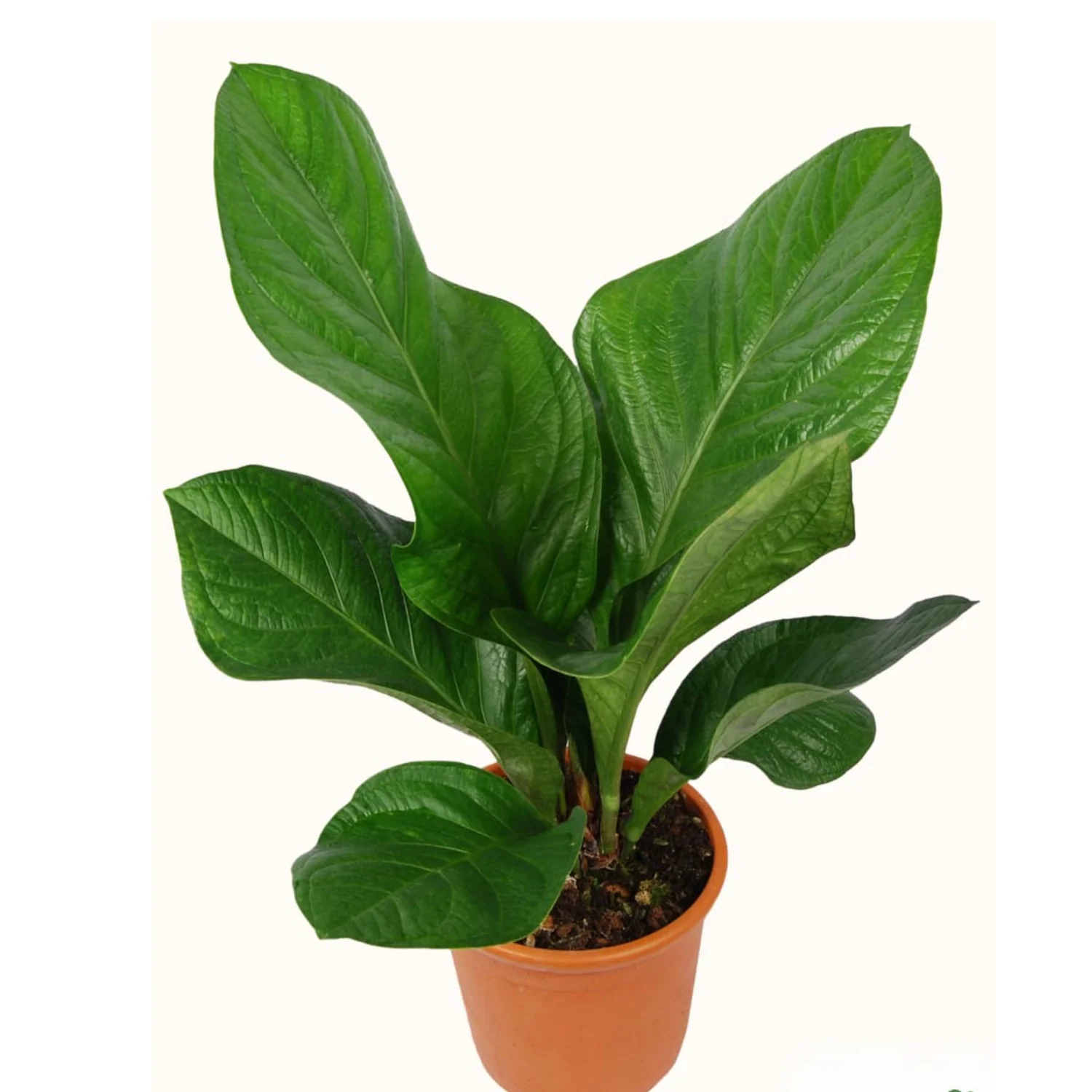

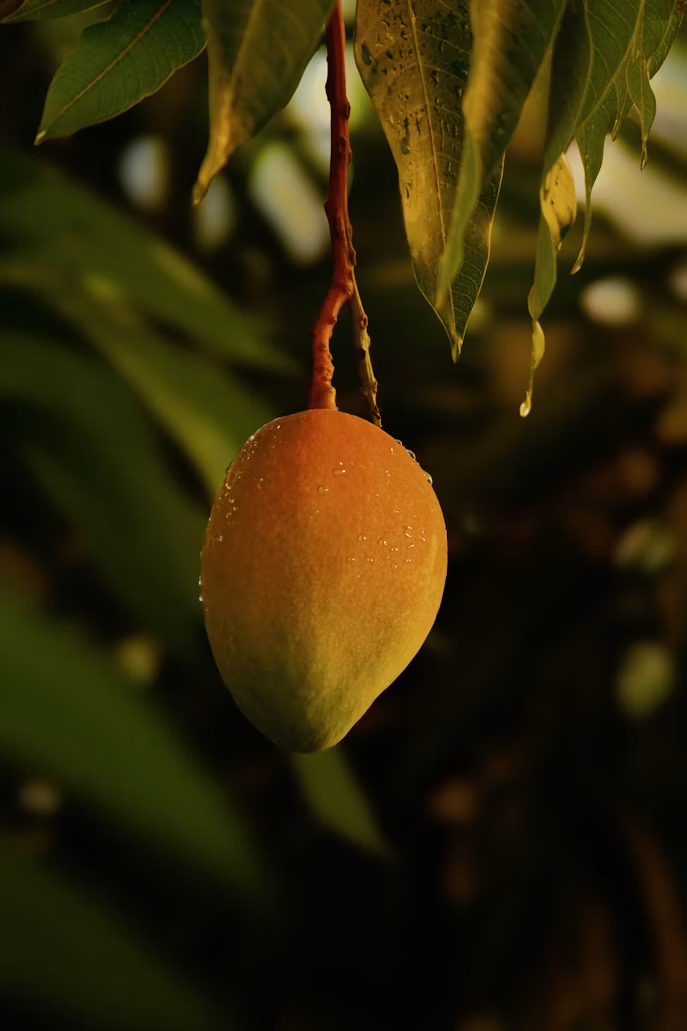
If you want to grow mangoes at home but do not have space for a huge traditional mango tree, the Sindhu Mango Tree is an excellent variety to consider. It is known for attractive fruit quality, relatively compact growth, good productivity and mangoes that are often described as having very low fibre.
For home gardeners, terrace growers and people with medium-sized backyards, Sindhu mango can be a practical choice when given enough sunlight, good drainage and regular nutrition.
You can buy a Sindhu Mango Tree online from Bonotol and have it delivered to serviceable locations across India.
For more plant-growing guides, visit the Bonotol Help & Support Blog.
What Is a Sindhu Mango?
Sindhu is a cultivated mango variety valued for its fruit quality and relatively manageable growth habit.
Quick overview
Common name: Sindhu Mango
Botanical name: Mangifera indica
Plant type: Tropical fruit tree
Light requirement: Full sun
Water requirement: Moderate
Difficulty: Easy to moderate
Best location: Terrace, balcony with very large container, courtyard or garden
Climate: Tropical and subtropical
Sindhu mango is particularly interesting for home growers because it can be maintained at a manageable height through pruning.
Why Grow a Sindhu Mango Tree?
A Sindhu mango tree can be a rewarding addition to a home fruit garden.
Some of its key attractions include:
- Sweet mangoes
- Low-fibre or nearly fibreless flesh
- Suitable for home gardens
- Can be maintained in a relatively compact form
- Suitable for large containers
- Attractive evergreen foliage
- Can produce good yields with proper care
For growers who prefer fruit plants over purely ornamental plants, Sindhu mango can provide both greenery and an edible harvest.
Best Climate for Sindhu Mango in India
Sindhu mango performs well in warm tropical and subtropical conditions.
It can be grown successfully in many parts of India, including:
- West Bengal
- Odisha
- Bihar
- Jharkhand
- Maharashtra
- Gujarat
- Karnataka
- Telangana
- Andhra Pradesh
- Tamil Nadu
- Uttar Pradesh
- Parts of North-East India
The most important requirements are adequate sunlight and protection from prolonged waterlogging.
Sunlight Requirements
Mango trees love sunlight.
Give your Sindhu mango plant at least:
6–8 hours of direct sunlight every day.
More sunlight generally means:
- Stronger branches
- Better flowering
- Better fruit development
- Reduced fungal problems
- Healthier foliage
Avoid keeping a mango plant permanently in shade.
If you have recently purchased a nursery-grown plant, introduce it gradually to intense afternoon sunlight if it was previously kept under shade net.
Best Soil for Sindhu Mango
Sindhu mango prefers fertile but well-draining soil.
Avoid heavy clay that remains waterlogged after rain.
A practical potting mixture can contain:
- 40% garden soil
- 25% compost or vermicompost
- 20% coarse sand
- 15% cocopeat, rice husk or other drainage material
For ground planting, improve heavy soil with compost and coarse material before planting.
Ideal soil condition
The soil should hold some moisture but should never remain swampy.
Watering Sindhu Mango
Young mango plants need regular watering while their roots establish.
However, continuously wet soil can damage mango roots.
General watering guide
During hot summer:
Water when the upper few inches of soil begin to dry.
During monsoon:
Reduce watering significantly.
During winter:
Water less frequently because evaporation is slower.
Important rule
Do not follow a fixed daily watering schedule.
Always check the soil first.
If it is still moist below the surface, wait before watering again.
Sindhu Mango Care During Kolkata Monsoon
Sindhu mango can grow well in West Bengal, but heavy monsoon rain makes drainage extremely important.
If growing in a pot:
- Keep drainage holes clear.
- Raise the pot slightly above the ground.
- Do not leave a water-filled tray underneath.
- Avoid unnecessary watering during rainy periods.
- Make sure rainwater can drain freely.
For ground-planted mango trees, avoid locations where water remains standing after heavy rainfall.
Mango roots dislike prolonged waterlogging.
Growing Sindhu Mango in a Pot
Yes, Sindhu mango can be grown in a large container.
For a young nursery plant, you do not need to immediately put it into an enormous container.
Start with a suitable intermediate pot and increase the size gradually as the root system develops.
For a mature container-grown mango, consider a large pot approximately:
20–30 inches wide or larger, depending on how long you plan to maintain it in the container.
The pot must have multiple drainage holes.
Best Pot Type for Sindhu Mango
You can use:
- Large plastic pots
- HDPE grow bags
- Cement pots
- Terracotta containers
- Large drums modified with drainage holes
For commercial or nursery-style growing, large HDPE grow bags or durable plastic containers can be significantly more economical than decorative ceramic pots.
Fertilizer for Sindhu Mango Tree
Mango plants benefit from regular but balanced feeding.
For a young plant, you can use:
- Vermicompost
- Well-decomposed cow manure
- Neem cake
- Balanced NPK fertilizer
- Micronutrient mixture
- Seaweed fertilizer occasionally
A simple approach for an actively growing young mango tree is to add organic matter around the edge of the pot every 30–45 days.
Do not pile fertilizer directly against the trunk.
Fertilizer for Fruiting Mango Trees
Once the tree becomes mature enough to flower, fertilizer management changes.
You generally want less excessive nitrogen and adequate:
- Phosphorus
- Potassium
- Calcium
- Magnesium
- Micronutrients
Too much nitrogen can produce lush leaves while reducing flowering.
This is especially important if your primary goal is fruit rather than simply faster vegetative growth.
Pruning Sindhu Mango
Pruning is very useful when growing Sindhu mango in a home garden or container.
The objective is to create a wide, branching tree rather than one tall central stem.
When the young plant grows sufficiently tall, tip pruning can encourage side branches.
Maintain approximately 3–4 strong main branches distributed around the plant.
Later, remove:
- Dead branches
- Diseased branches
- Weak inward-growing shoots
- Crossing branches
This keeps the canopy open and improves airflow.
How to Keep a Sindhu Mango Tree Small
Regular pruning makes it possible to maintain a mango tree at a much more manageable height.
Instead of allowing the tree to grow vertically without restriction, periodically prune the growing tips.
A compact mango canopy is easier to:
- Spray
- Fertilize
- Harvest
- Protect from pests
- Manage in limited space
For home growers, this is often far more practical than allowing a mango tree to become extremely tall.
When Will Sindhu Mango Start Fruiting?
The answer depends heavily on how the plant was propagated.
A grafted mango tree can usually fruit considerably earlier than a tree grown from seed.
Young grafted plants may begin producing after they establish and mature sufficiently, though exact timing varies according to:
- Plant age
- Climate
- Root development
- Sunlight
- Nutrition
- Pruning
- Overall health
Do not force a very small, recently planted mango tree to carry a heavy crop. Allowing it to establish a strong root and branch structure first can benefit long-term productivity.
Sindhu Mango Flowering
Mango flowering usually occurs during the cooler and relatively dry part of the year, though timing varies by region and weather.
During flowering:
- Avoid excessive nitrogen.
- Avoid unnecessary heavy watering.
- Maintain good airflow.
- Watch for fungal problems.
- Avoid aggressively pruning flowering branches.
Stable growing conditions are particularly important during flowering and early fruit set.
Common Problems in Sindhu Mango
Leaves Turning Yellow
Possible causes include:
- Excess watering
- Poor drainage
- Nutrient deficiency
- Root stress
- Recent transplantation
Check drainage before applying additional fertilizer.
Brown Leaf Tips
This may occur because of:
- Water stress
- Fertilizer burn
- Heat
- Root disturbance
- Salt accumulation in container soil
If you recently used fertilizer, avoid applying more until you determine the cause.
No Flowers
Possible reasons include:
- Tree is still young
- Too much nitrogen
- Insufficient sunlight
- Excessive pruning
- Constant vegetative growth
A healthy young tree sometimes simply needs more time to mature.
Flowers Appear but Fruits Drop
Some early fruit drop is natural.
Excessive drop can be associated with:
- Heat stress
- Irregular watering
- Nutritional problems
- Pest damage
- Fungal infection
- Poor pollination
Mango Pests to Watch For
Common mango pests may include:
- Mealybugs
- Aphids
- Scale insects
- Mango hoppers
- Thrips
- Mites
Inspect new shoots and the underside of leaves regularly.
Early detection is much easier to manage than a severe infestation.
Can Sindhu Mango Grow on a Terrace?
Yes.
A sunny terrace can be an excellent location for Sindhu mango if you have:
- A sufficiently large container
- Good drainage
- 6–8 hours of sunlight
- Regular watering
- Proper pruning
Keep the plant reasonably compact so strong winds do not destabilize the container.
Can Sindhu Mango Be Grown on a Balcony?
It depends on the balcony.
A large sunny balcony can support a young or regularly pruned mango plant.
However, a small shaded balcony is not suitable.
For long-term container growing, a terrace or open sunny area is usually better.
Repotting Sindhu Mango
Do not repeatedly disturb mango roots unnecessarily.
Repot when:
- Roots heavily fill the container
- Growth slows despite proper feeding
- Water drains unusually quickly because the pot is mostly roots
- The plant becomes unstable
Move only one or two pot sizes larger at a time when possible.
After repotting, keep the plant protected from severe stress for a few days while maintaining bright conditions.
Where to Buy Sindhu Mango Tree Online
If you’re planning to grow your own mango tree at home, you can order a Sindhu mango plant from Bonotol.
🌱 Buy Sindhu Mango Tree Online from Bonotol
The plant is suitable for gardeners looking for a productive mango variety that can be maintained in a home garden or large container with appropriate pruning.
You can also explore more growing guides, plant-care articles and gardening information at the Bonotol Help & Support Blog.
Frequently Asked Questions
Is Sindhu mango sweet?
Sindhu mango is valued for its sweet fruit and low-fibre flesh.
Is Sindhu mango fibreless?
It is commonly known for having very little fibre, making the fruit particularly enjoyable for fresh eating.
Can Sindhu mango grow in a pot?
Yes. With a large container, good nutrition, sufficient sunlight and regular pruning, it can be maintained as a container-grown fruit tree.
How much sunlight does Sindhu mango need?
Provide at least 6–8 hours of direct sunlight daily.
Can Sindhu mango grow in Kolkata?
Yes. Kolkata’s warm climate is suitable. During monsoon, excellent drainage and protection from waterlogging are particularly important.
How often should I water a Sindhu mango tree?
Water when the upper soil begins to dry. Frequency varies according to temperature, rainfall, pot size and plant size.
Can I keep my Sindhu mango tree short?
Yes. Strategic tip pruning and canopy management can maintain a relatively compact tree.
Is Sindhu mango suitable for a home garden?
Yes. It is especially attractive for home fruit gardens because of its fruit quality and ability to be managed through pruning.