
There is something special about picking a citrus fruit from a tree you have grown yourself.
And when that fruit is Darjeeling Sweet Komla, the experience becomes even more interesting.
Known for its sweet-tangy flavour, juicy segments and association with the hills of Darjeeling, this mandarin has long been loved in eastern India. Now, with a Darjeeling Sweet Komla Grafted Plant, you can try growing this beautiful citrus plant in your own garden, terrace or large container.
But before you bring one home, there are a few things you should know.
What Exactly Is Darjeeling Sweet Komla?
Darjeeling Sweet Komla, commonly associated with Darjeeling Mandarin or Darjeeling Orange, belongs to the mandarin group of citrus plants.
Its botanical association is Citrus reticulata.
The fruit is known for its pleasant citrus aroma, juicy pulp and sweet-tangy flavour. Compared with many commercially sold oranges, mandarins generally have a softer, easier-to-handle rind and distinctive flavour.
For gardeners, the attraction isn’t only the fruit.
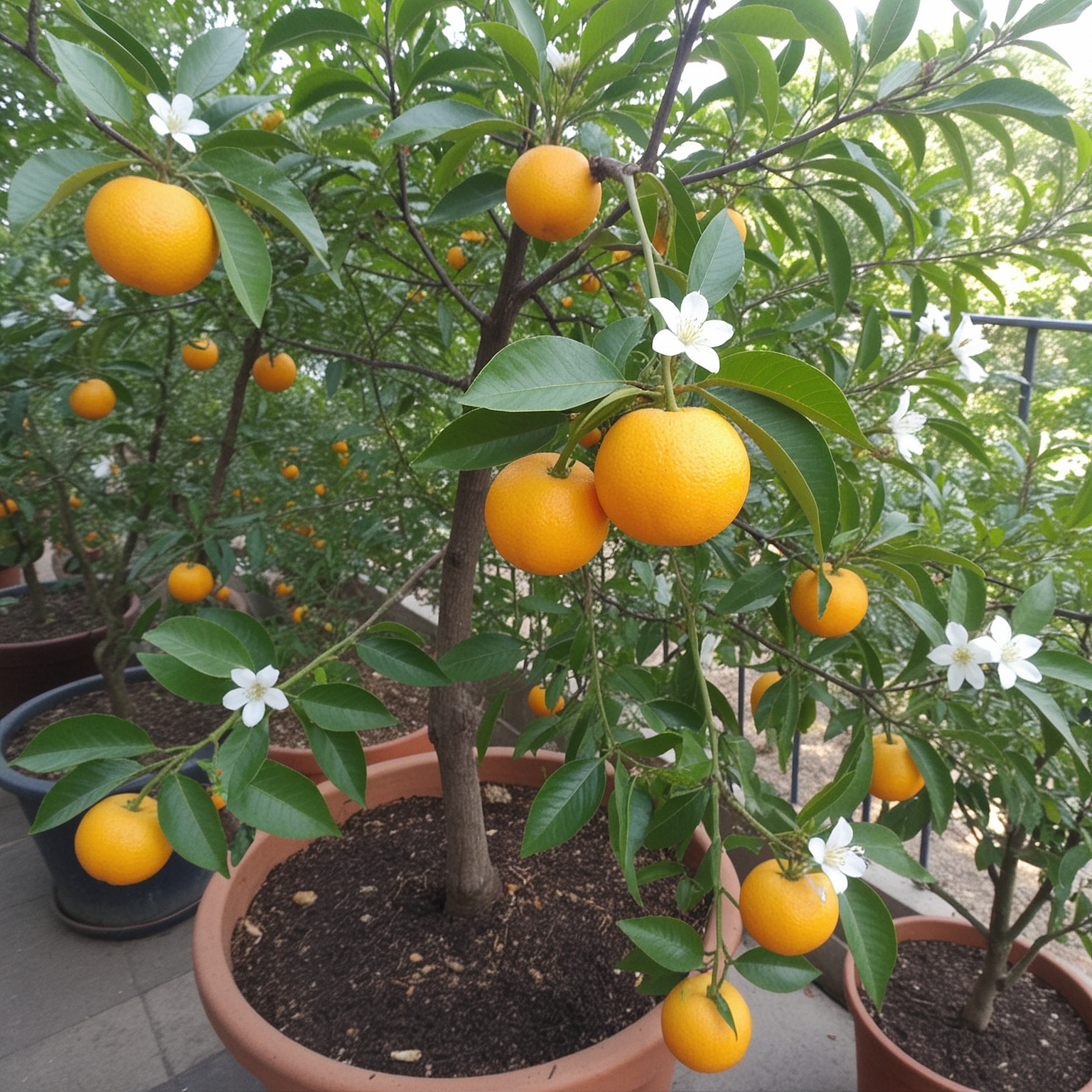
A healthy citrus plant covered with glossy green leaves, fragrant flowers and eventually bright orange fruits can become one of the highlights of a home garden.
Why Choose a Grafted Darjeeling Sweet Komla Plant?
This is probably the most important question.
You can grow citrus from seed, but seedlings can take a long time to mature and their fruit may not necessarily have exactly the same characteristics as the fruit from which the seed came.
A grafted plant is different.
A selected fruiting variety is joined to a suitable rootstock, allowing growers to reproduce the desired variety more reliably.
Some advantages of choosing a grafted plant include:
- Earlier maturity compared with many seed-grown citrus plants
- Better consistency with the selected parent variety
- Established rootstock
- Easier management for home gardeners
- Suitable for growing in the ground or a sufficiently large container
One thing we don’t like doing at Bonotol is promising an unrealistic fruiting date.
A grafted citrus plant may fruit considerably earlier than a seed-grown plant, but the exact timing depends on the age of the plant, season, sunlight, climate, nutrition and how well it establishes after planting.
Gardening works better when nature is allowed to set the timetable.
What Does Darjeeling Sweet Komla Taste Like?
If you enjoy citrus that isn’t overwhelmingly sour, this is where Sweet Komla becomes interesting.
The flavour can be described as:
Sweet + juicy + mildly tangy + aromatic.
The taste, sweetness and size of individual fruits can naturally vary according to growing conditions and maturity.
For many people from West Bengal and the eastern Himalayan region, the flavour can also bring back memories of winter markets filled with fresh hill oranges.
Can Darjeeling Sweet Komla Grow in a Pot?
Yes.
You don’t necessarily need a large orchard to grow a citrus plant.
A sunny terrace, rooftop, balcony or small garden can work, provided the plant receives enough sunlight and has good drainage.
For a young plant, you can begin with a moderate-sized container and gradually move it into a larger pot as the root system develops.
For long-term container growing, consider a pot of approximately 18–24 inches or larger, depending on the size of the plant.
Most importantly, the pot must have generous drainage holes.
Citrus roots don’t enjoy sitting in water.
Sunlight: The Secret You Shouldn’t Ignore
If you want a strong citrus plant, give it sunlight.
Aim for approximately 6–8 hours of direct sunlight whenever possible.
A plant may survive with less light, but flowering, growth and eventual fruit production can suffer.
For balconies, choose the sunniest position available.
For rooftop gardens, sunlight usually isn’t the problem—the intense summer heat can be.
During extreme heat, particularly when a plant has just arrived from a nursery, avoid suddenly exposing it to harsh all-day afternoon sun.
Allow it to acclimatise gradually.
How to Water Darjeeling Sweet Komla
One of the easiest ways to damage a citrus plant is to love it a little too much with the watering can.
Don’t water simply because another day has passed.
Instead, check the soil.
Push your finger about an inch into the upper soil. If it is beginning to feel dry, water thoroughly and allow excess water to drain away.
During summer
Check the soil more frequently because containers can dry quickly.
During monsoon
Be particularly careful with overwatering and blocked drainage holes.
During cooler months
Watering frequency usually reduces.
The goal is simple:
Moist soil, not permanently wet soil.
Best Soil Mix for Darjeeling Sweet Komla
Good drainage matters more than making an overly complicated soil recipe.
A practical citrus potting mixture can contain:
- Good-quality garden soil
- Well-decomposed compost or vermicompost
- Cocopeat or another moisture-balancing component
- Coarse sand, perlite or another drainage material
The final mixture should hold some moisture but drain excess water quickly.
Avoid heavy, compact clay soil in containers.
Fertilising Your Sweet Komla Plant
Citrus plants need regular nutrition as they grow.
Instead of giving one enormous dose of fertiliser, provide nutrients in moderate amounts during active growth.
You can use:
- Well-decomposed compost
- Vermicompost
- Neem cake in appropriate quantities
- A balanced citrus or fruit-plant fertiliser
Micronutrients can also become important for citrus, particularly when leaves show persistent yellowing.
Avoid applying excessive fertiliser to a newly received or stressed plant. First allow it to settle into its new environment.
More fertiliser does not automatically mean more fruit.
Flowers, Pollination and Fruiting
One of the nicest stages of growing citrus comes before the fruit.
The flowers.
Citrus blossoms are small, beautiful and wonderfully fragrant.
When the plant reaches suitable maturity and growing conditions are favourable, flowering can eventually lead to fruit development.
Don’t panic if a young or recently transplanted plant drops some flowers or tiny fruits.
Plants sometimes reduce their fruit load while concentrating energy on roots and new growth.
Should You Prune Darjeeling Sweet Komla?
Yes, but don’t attack it with pruning shears every month.
For a home-grown plant, pruning is mainly about keeping it healthy and manageable.
Remove:
- Dead branches
- Damaged shoots
- Diseased material
- Weak crossing branches
- Shoots emerging from the rootstock below the graft union
Light shaping can also help maintain an attractive canopy.
Avoid aggressive pruning when the tree is flowering or carrying fruit unless there is a genuine need.
Common Problems to Watch For
Yellow Leaves
Possible causes include excessive watering, drainage problems, nutrient deficiencies or temporary transplant stress.
Check the soil and drainage before immediately adding fertiliser.
Curling or Sticky Leaves
Inspect the tender shoots for aphids, scale insects, mealybugs or other sap-sucking pests.
Leaf Miner Damage
Citrus leaf miners can leave characteristic winding trails on tender new leaves.
Flowers But No Fruit
A young plant may simply not be ready yet. Low sunlight, stress, nutrient imbalance and weather conditions can also affect fruit set.
Fruit Dropping Early
Some natural fruit drop is normal.
Stress caused by irregular watering, sudden environmental changes or poor plant health can increase fruit drop.
Growing Darjeeling Sweet Komla in Kolkata and Other Warm Indian Cities
This is where a little extra attention helps.
Darjeeling Mandarin is historically associated with the cooler hills, so growing it in a hot lowland environment isn’t exactly the same as growing it in Darjeeling.
That doesn’t mean you can’t enjoy growing the plant.
In warmer cities, concentrate on:
- Excellent drainage
- Consistent watering
- Good morning and daytime sunlight
- Protection for newly transplanted plants during extreme heat
- Regular nutrition
- Monitoring pests
- Avoiding waterlogged soil during the monsoon
Your local microclimate matters.
A sunny Kolkata rooftop and a cool Darjeeling hillside are very different growing environments, so plant care should always be adjusted accordingly.
Can Beginners Grow It?
Absolutely.
You don’t need to be a professional horticulturist.
You mainly need to understand four things:
Sunlight. Drainage. Watering. Patience.
Get those right and you have already avoided many of the most common citrus-growing mistakes.
What to Do When Your Bonotol Plant Arrives
Your plant has just completed a journey, so don’t immediately disturb it.
Day 1
Unpack carefully and inspect the plant.
Water only if the growing medium actually needs it.
First 2–3 Days
Keep it in bright light with protection from severe midday heat.
After Acclimatisation
Gradually introduce the plant to its permanent sunny location.
Repotting
Don’t automatically repot the minute the courier arrives.
Allow the plant to recover from transportation unless its current container genuinely requires immediate attention.
A few calm days can make a big difference.
Frequently Asked Questions
Is Darjeeling Sweet Komla the same as Darjeeling Orange?
The name Sweet Komla is commonly used in the trade for sweet mandarin/orange-type plants associated with Darjeeling. Darjeeling Mandarin belongs to the Citrus reticulata group.
How quickly will a grafted Sweet Komla plant fruit?
Grafted plants generally have the potential to reach fruiting maturity earlier than seed-grown plants. However, there is no responsible way to guarantee an exact number of months because plant age, climate, season, care and growing conditions all matter.
Can I grow it on my terrace?
Yes, provided you can offer good sunlight, drainage and a suitably sized container.
Does it need full sunlight?
For healthy citrus growth and good flowering potential, aim for roughly 6–8 hours of direct sunlight where possible.
How often should I water it?
Don’t follow a rigid calendar. Check the soil and water when the upper layer starts becoming dry.
Is Sweet Komla suitable for beginners?
Yes. It can be a rewarding fruit plant for beginners willing to provide adequate sunlight and avoid overwatering.
Why Grow Just Another Decorative Plant When You Can Grow Fruit?
There are plenty of plants that will make your terrace look green.
But fruit plants offer something different.
You watch a new shoot appear.
Then flowers.
Then tiny developing fruits.
And one day, if everything goes well, you pick a ripe citrus fruit from a tree you have looked after yourself.
That’s difficult to replace with something purchased from a supermarket.
If you’ve been thinking about adding another fruit plant to your collection, Darjeeling Sweet Komla Grafted Plant deserves a place on your shortlist.
🌱 Grow Your Own Darjeeling Sweet Komla
Healthy grafted plants available from Bonotol.
👉 BUY DARJEELING SWEET KOMLA GRAFTED PLANT
Bring home the joy of growing citrus—and give it the sunlight, care and patience it deserves.