
Introduction to Thai Chitra Bougainvillaea
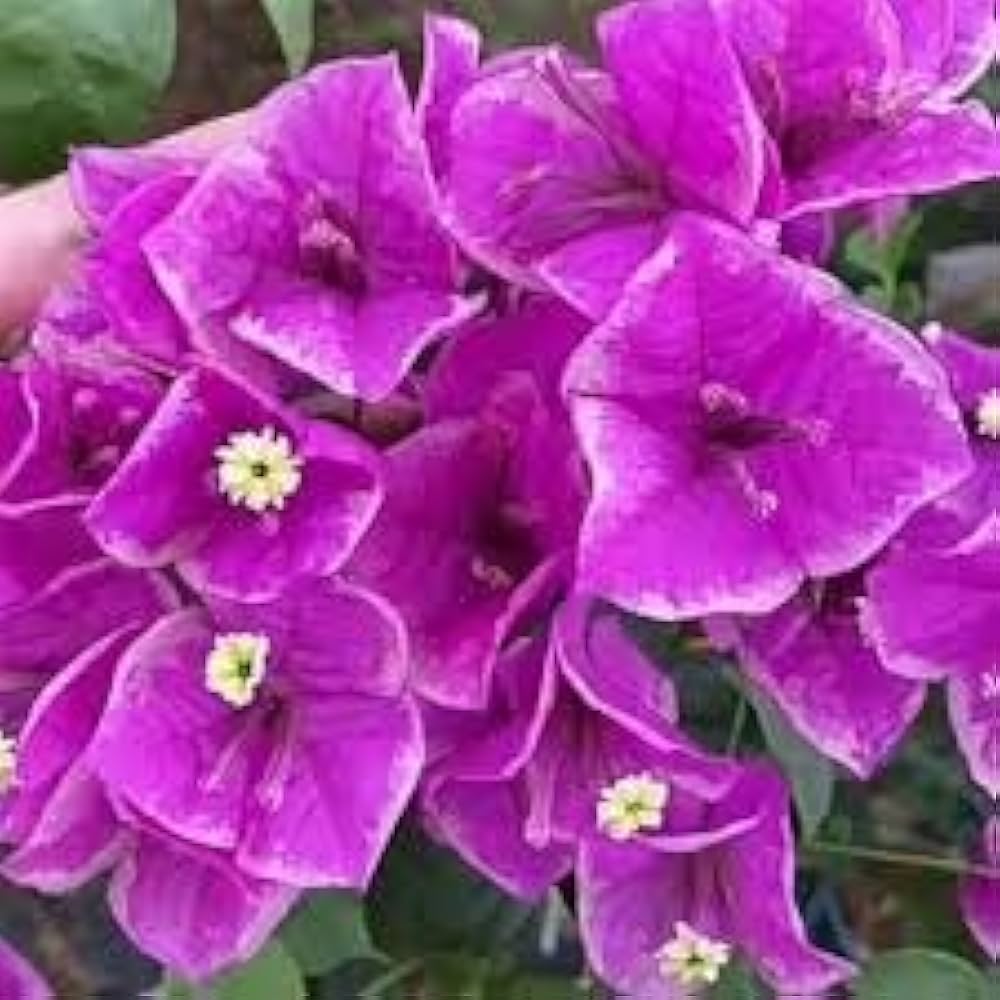
The Thai Chitra Bougainvillaea is an attractive ornamental bougainvillaea variety appreciated by gardeners for its beautiful colourful bracts, vigorous growth and ability to perform well in warm climates.
It is particularly suitable for Indian gardens because bougainvillaea naturally enjoys sunshine and warm temperatures. Once established, it can become a relatively low-maintenance flowering plant compared with many other ornamental species.
Thai Chitra can be grown in large pots, terrace gardens, balconies with sufficient sunlight, entrance areas, boundary walls and open garden beds.
The plant can also be trained into different forms, including a bush, climber, hedge or structured ornamental plant.
What Makes Thai Chitra Bougainvillea Special?
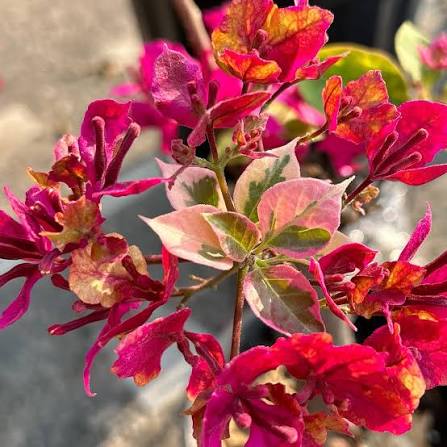
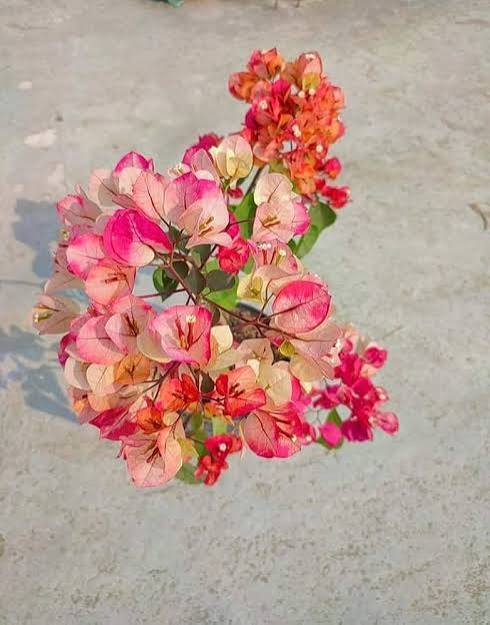
One of the biggest attractions of Chitra Bougainvillea is its ornamental bract colour and the colourful display the plant can produce when grown under proper conditions.
The actual small bougainvillea flowers sit within the colourful paper-like bracts that most people commonly call flowers.
Colour intensity can vary slightly depending on:
- Sunlight
- Season
- Temperature
- Plant maturity
- Nutrition
- Growing conditions
This natural variation is normal for many bougainvillaea plants.
Optimal Growing Conditions for Thai Chitra Bougainvillaea
Getting the environment right is more important than using large amounts of fertilizer. Bougainvillea generally flowers best when it receives abundant sunlight, good drainage and controlled watering.
Climate Requirements
Thai Chitra performs particularly well in warm and tropical to subtropical conditions.
A comfortable growing temperature is approximately 18°C to 35°C, although established bougainvillaea plants can tolerate hotter conditions when properly watered.
This makes the plant suitable for many parts of India, including West Bengal, Maharashtra, Karnataka, Telangana, Tamil Nadu, Odisha, Gujarat and other warm regions.
In areas with very cold winters or frost, additional protection may be necessary.
What About High Humidity?
High humidity itself is not necessarily a problem.
In humid regions such as eastern India, the bigger concern is keeping the roots constantly wet.
Good drainage and adequate airflow become especially important during the monsoon.
How Much Sunlight Does Thai Chitra Bougainvillea Need?
Sunlight is one of the most important factors affecting bougainvillea flowering.
For strong growth and abundant flowering, provide approximately:
6–8 hours of direct sunlight per day whenever possible.
Morning and afternoon sunshine are both beneficial.
A Thai Chitra Bougainvillea kept in heavy shade may continue producing green leaves and new shoots but produce very few flowers.
If your plant looks healthy but refuses to bloom, insufficient sunlight should be one of the first things you check.
Can Thai Chitra Grow on a Balcony?
Yes, provided the balcony receives adequate direct sunlight.
A sunny south-, west- or east-facing balcony can work well depending on surrounding buildings and local conditions.
A balcony receiving only bright indirect light throughout the day is generally not ideal for heavy bougainvillea flowering.
Best Soil for Thai Chitra Bougainvillea
The perfect bougainvillea soil is not necessarily extremely rich soil.
The priority is excellent drainage.
Thai Chitra dislikes media that remain wet around the roots for prolonged periods.
A useful potting mixture can include:
- Garden soil
- Coarse sand or another drainage-enhancing material
- Compost or vermicompost
- Cocopeat in moderation
The mixture should allow excess water to escape quickly.
A slightly acidic to near-neutral growing medium generally works well.
Avoid Heavy Water-Retaining Soil
Avoid planting your bougainvillea flowering plant directly into dense, sticky garden soil inside a pot.
Heavy soil combined with excessive watering can lead to:
- Root stress
- Yellow leaves
- Weak growth
- Fungal problems
- Reduced flowering
Always use pots with proper drainage holes.
How to Water Thai Chitra Bougainvillea
Bougainvillea prefers a deep watering followed by a period in which the growing medium begins to dry.
Do not automatically water it every day.
Before watering, check the potting media.
If the upper few centimetres are still noticeably wet, wait.
Water thoroughly when required and allow excess water to drain from the bottom.
Signs You May Be Overwatering
Watch for:
- Constantly wet soil
- Yellowing leaves
- Leaf drop
- Soft or weak growth
- Lack of flowering despite plenty of foliage
Bougainvillea generally handles short dry periods better than constantly waterlogged roots.
Young plants and newly repotted plants, however, need more careful moisture management until established.
Fertilizer for Thai Chitra Bougainvillea
Fertilizer should support the plant rather than replace sunlight and good growing conditions.
During active vegetative growth, a balanced fertilizer can be used according to the manufacturer’s recommended dilution.
Organic options such as well-decomposed compost or vermicompost may also be used in moderate quantities.
Fertilizer for Flowering
When your goal changes from producing branches to encouraging flowers, avoid excessive nitrogen.
Too much nitrogen can encourage vigorous green growth while flowering remains poor.
For mature plants entering a flowering phase, use a fertilizer suitable for flowering plants according to its label directions.
The important principle is:
Healthy growth + strong sunlight + controlled watering + sensible feeding = better flowering.
Adding more fertilizer to a shaded or waterlogged plant will not solve the underlying problem.
Step-by-Step Guide to Planting Thai Chitra Bougainvillea
1. Select a Healthy Plant
Choose a Thai Chitra Bougainvillea with:
- Healthy leaves
- Strong stems
- Active shoots
- No obvious pest infestation
- Healthy roots
When purchasing a named hybrid bougainvillea, correct variety identification is especially important.
2. Choose the Right Pot
Start with a pot only moderately larger than the existing root ball.
An unnecessarily huge pot can hold excessive moisture.
Bougainvillea can grow well when the root system is comfortably established in its container.
Most importantly, the container must have sufficient drainage holes.
3. Plant Carefully
Bougainvillea roots can be sensitive to excessive disturbance.
When transplanting:
- Prepare your potting mixture.
- Add media to the new container.
- Remove the plant carefully.
- Avoid aggressively breaking the root ball.
- Position the plant at roughly its existing planting depth.
- Fill around the root ball.
- Water thoroughly.
- Allow all excess water to drain.
After repotting, give the plant time to establish before using strong fertilizer.
Pruning Thai Chitra Bougainvillea for More Flowers
Pruning is extremely useful when growing bougainvillea.
Flowers are produced on new growth, so encouraging branching gives the plant more potential flowering points.
After a flowering cycle finishes, light pruning can encourage new shoots.
You can:
- Remove dead stems
- Remove damaged branches
- Shorten excessively long shoots
- Pinch new growth
- Shape the plant
- Encourage lateral branches
Avoid repeatedly cutting every new branch before it matures, because the plant needs enough new growth to form its next display.
How to Make Thai Chitra Bougainvillea Flower More
A common question from growers is:
“My bougainvillea is growing lots of leaves but why is it not flowering?”
Usually, investigate these factors first.
1. Increase Sunlight
Aim for 6–8 hours of direct sunlight.
2. Avoid Excessive Watering
Constant moisture can encourage vegetative growth rather than good flowering.
3. Reduce Excess Nitrogen
Heavy nitrogen feeding frequently results in lots of leaves.
4. Prune at the Right Time
Pruning after flowering can stimulate new branches that later produce another flush.
5. Give the Plant Time
Recently repotted, heavily pruned or newly planted bougainvillea may temporarily prioritize root and shoot development.
Flowering often improves after the plant becomes established.
Enhancing Thai Chitra Bougainvillea Colour
Good light is extremely important for attractive bract colour.
A plant kept under low-light conditions may not produce the same intensity of colour as one grown outdoors under strong sunlight.
For the best display:
- Provide abundant sunshine
- Avoid excessive nitrogen
- Maintain good drainage
- Keep the plant healthy
- Prune intelligently
- Avoid constantly wet soil
Remember that the appearance of bracts can naturally change slightly with age and weather.
Pest and Disease Management
Healthy bougainvillea plants are generally fairly resilient, but pests can occasionally appear.
Common problems can include:
Aphids
These small insects frequently gather around tender new growth.
Mealybugs
Look for white cotton-like deposits around stems, leaves or branch joints.
Scale Insects
These may appear as small fixed bumps attached to stems or leaves.
Spider Mites
They can become more noticeable during hot and dry conditions.
Inspect plants regularly, particularly the underside of leaves and young shoots.
Minor infestations can often be managed early before they spread throughout the plant collection.
Good airflow, sensible watering and basic nursery hygiene also reduce many disease problems.
Seasonal Thai Chitra Bougainvillea Care in India
Summer
Bougainvillea generally enjoys summer sunshine.
Monitor container plants more frequently because pots can dry quickly during extreme heat.
Monsoon
This is the season when drainage becomes particularly important.
Avoid allowing the container to stay saturated during continuous rain.
If necessary, reposition pots to prevent prolonged waterlogging.
Winter
In much of India, mild winter weather can be favourable for bougainvillea.
Growth may slow somewhat in cooler regions.
Plants should be protected from severe cold and frost.
Spring
Spring is an excellent period for new growth.
Appropriate pruning and feeding can prepare established plants for vigorous growth and future flowering.
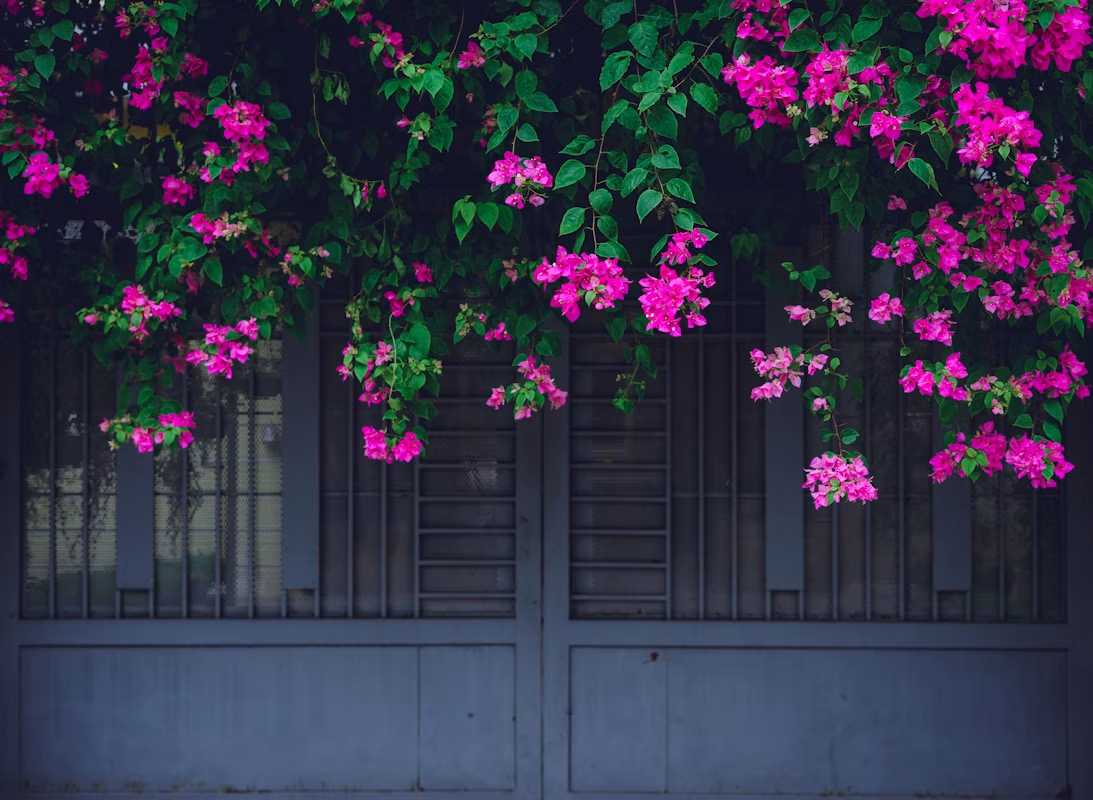
Growing Thai Chitra Bougainvillea as a Climber
Thai Chitra can make an excellent ornamental climber.
You can train its branches along:
- Trellises
- Fences
- Pergolas
- Balcony grills
- Entrance structures
- Boundary walls
Remember that bougainvillea stems can develop thorns.
Use gloves when pruning or training mature plants.
Tie young branches loosely to supports rather than wrapping them tightly.
Growing Thai Chitra Bougainvillea as a Bush
For a compact bushy plant, regularly encourage side branching instead of allowing one or two shoots to dominate.
Strategic pruning can transform a lanky bougainvillea plant into a fuller specimen with considerably more potential flowering branches.
This style works especially well in large decorative containers.
Thai Chitra Bougainvillea for Balcony Gardening
For Indian apartment gardeners, Thai Chitra can be an excellent choice when enough sunlight is available.
Position the plant where it receives maximum direct sunlight.
A colourful bougainvillea can become a focal point on:
- Balconies
- Rooftops
- Terrace gardens
- Entrance areas
- Sunny patios
One well-shaped specimen can provide more visual impact than several small flowering plants.
Low-Maintenance Care Tips
Once established, Thai Chitra is relatively easy to maintain.
Remember these five rules:
Give it plenty of sunlight.
Never allow the roots to remain waterlogged.
Do not overfeed with nitrogen.
Prune to encourage branching.
Check occasionally for pests.
Following these basics can prevent most common bougainvillea problems.
Where to Buy Authentic Thai Chitra Bougainvillea in India
Because many bougainvillea varieties can appear similar when they are not flowering, buying from a reliable nursery is important.
When purchasing a named variety such as Thai Chitra Bougainvillea, look for sellers who clearly identify the variety and provide accurate plant information.
Thai Chitra Bougainvillea is also available from Bonotol, with plants identified by their variety so customers know which bougainvillea they are purchasing.
Buy Thai Chitra Bougainvillea:
https://bonotol.com/plants/thai-chitra-bougainvillea
For customers buying young plants, remember that a plant does not necessarily need to be flowering at the moment of delivery. Flowering depends on the plant’s current growth cycle, season and growing conditions.
Frequently Asked Questions About Thai Chitra Bougainvillea
Is Thai Chitra Bougainvillea suitable for Indian weather?
Yes. Its preference for warm temperatures and strong sunlight makes it suitable for many parts of India.
How much sunlight does Thai Chitra Bougainvillea need?
For excellent flowering, aim for around 6–8 hours of direct sunlight every day.
Can Thai Chitra Bougainvillea grow in pots?
Yes. It grows very well in containers provided the pot has sufficient drainage.
Why is my Thai Chitra Bougainvillea not flowering?
The most common factors to investigate are insufficient sunlight, excessive watering, too much nitrogen fertilizer, inappropriate pruning or the plant still being in an establishment phase.
How often should I water Thai Chitra Bougainvillea?
There is no fixed daily schedule. Water thoroughly when the growing medium has partially dried rather than keeping the soil continuously wet.
Is Thai Chitra Bougainvillea a low-maintenance plant?
Once established in sufficient sunlight and well-draining soil, it can be relatively low maintenance.
Can Thai Chitra Bougainvillea be grown as a climbing plant?
Yes. Its longer branches can be trained over grills, trellises, fences and other supports.
Can Thai Chitra Bougainvillea be grown on a balcony?
Yes, but the balcony needs adequate direct sunlight if you want abundant flowering.
Conclusion
The Thai Chitra Bougainvillea combines beautiful colour with the toughness that has made bougainvillea one of India’s favourite ornamental flowering plants.
The secret to growing it successfully is surprisingly simple: provide strong sunlight, excellent drainage, controlled watering, appropriate fertiliser and regular pruning.
If your plant produces plenty of leaves but few flowers, don’t immediately add more fertilizer. Check sunlight and watering first.
With the right conditions, this colourful variety of bougainvillea can become an impressive feature in a balcony, terrace, home garden, hedge or entrance landscape.
Whether you train it as a climber or maintain it as a compact flowering bush, Thai Chitra can reward proper care with repeated colourful displays for years.