
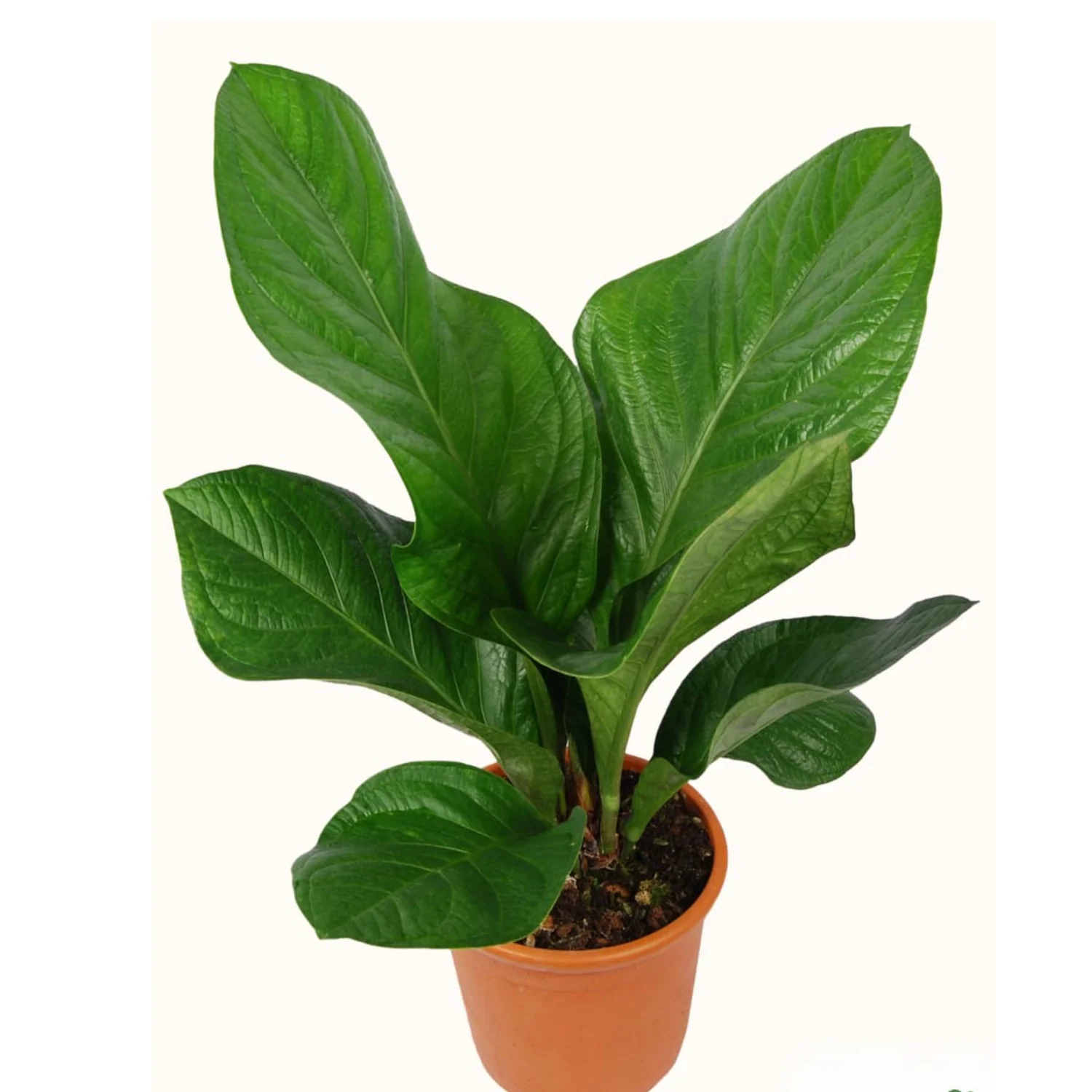
The Jayant Anthurium Plant is an attractive tropical foliage plant that can instantly add a lush, premium feel to your indoor plant collection. With its broad green leaves and compact growth habit, it works beautifully in homes, offices, balconies and other bright, sheltered spaces.
Anthuriums are tropical plants that generally prefer warm temperatures, bright indirect light and good humidity. With the right growing conditions, they can remain healthy and attractive for many years.
If you are looking to add this plant to your collection, you can buy the Jayant Anthurium Plant from Bonotol and get it delivered to your doorstep.
Why Grow a Jayant Anthurium Plant?
The Jayant Anthurium is an excellent choice for plant lovers who enjoy bold tropical foliage without needing a huge amount of space.
Some reasons to grow it include:
- Attractive broad green foliage
- Excellent tropical appearance
- Suitable for indoor and semi-shaded spaces
- Works well in decorative pots
- Suitable for homes and offices
- Prefers warm Indian conditions
- Relatively manageable once the correct watering routine is established
It can look especially impressive when combined with other tropical foliage plants such as Philodendrons, Aglaonemas, Peace Lilies and Ferns.
Jayant Anthurium Plant Light Requirements
Place your Jayant Anthurium somewhere that receives bright but indirect light.
A spot close to an east-facing window or another well-lit location protected from harsh afternoon sunlight is usually ideal.
Strong direct summer sunlight can scorch Anthurium foliage, while very low light may result in slower growth. The Royal Horticultural Society similarly recommends bright, indirect light for Anthuriums.
Best light conditions
Bright indirect light: Excellent
Morning sunlight: Usually suitable
Filtered sunlight: Excellent
Strong afternoon sunlight: Avoid
Very dark indoor areas: Not recommended
If growing the plant outdoors, position it underneath shade netting, trees or another area where it receives plenty of filtered light.
How to Water Jayant Anthurium
One of the most important parts of Anthurium care is avoiding excessive watering.
Water thoroughly and then allow the growing medium to approach dryness before watering again. Never keep the pot permanently saturated.
The RHS recommends checking moisture below the surface and warns that keeping Anthuriums continuously wet can encourage root rot.
A simple rule is:
Check the soil first — don’t water according to a fixed calendar.
During hot weather your plant may require water more frequently, while during cooler months the potting medium generally remains moist for longer.
Best Soil Mix for Jayant Anthurium
Anthurium roots appreciate a loose, airy growing medium.
A suitable mixture can contain:
- Cocopeat or coco coir
- Compost or vermicompost
- Coarse coconut husk chips
- Bark or another chunky organic material
- A small amount of garden soil where appropriate
The goal is to create a potting medium that holds some moisture while allowing excess water to drain quickly.
Anthuriums generally prefer an open, well-draining and slightly acidic growing medium.
For Indian growers, coconut husk chips can also be a practical way of increasing aeration when premium orchid bark is difficult or expensive to obtain.
Temperature Requirements
Jayant Anthurium is a tropical plant and enjoys warmth.
A temperature range around 18°C–30°C is generally suitable for Anthuriums.
Protect the plant from:
- Very cold winter winds
- Sudden temperature changes
- Direct exposure to air-conditioner airflow
- Extremely hot afternoon sun
In warm and humid regions of India, Anthuriums can often grow very well as long as they are protected from intense direct sunlight.
Humidity
Anthuriums naturally appreciate humid conditions.
Moderate to high humidity can help maintain healthy foliage. If your indoor environment becomes extremely dry, you can place several plants together or use a pebble tray to increase humidity around them.
Brown leaf edges can sometimes be associated with excessively dry conditions.
Fertilizer for Jayant Anthurium Plant
During active growth, you can provide light feeding periodically.
Options include:
- Well-decomposed vermicompost
- Balanced liquid plant fertilizer
- Seaweed-based plant tonic
- Diluted balanced NPK fertilizer
Avoid applying excessively concentrated fertilizer because Anthurium roots can be sensitive to fertilizer salts.
For home growers, applying a mild fertilizer rather than a heavy dose is usually safer.
Repotting Your Anthurium
Do not immediately move a small Anthurium into an extremely large container.
Instead, increase the pot size gradually as its root system develops. Oversized containers tend to retain moisture for longer and may increase the risk of root problems.
The RHS similarly recommends moving Anthuriums into pots only around one size larger rather than significantly oversized containers.
Always make sure the pot has drainage holes.
Common Jayant Anthurium Problems
Yellow leaves
Possible causes include:
- Excessive watering
- Poor drainage
- Root stress
- Natural ageing of older leaves
Check soil moisture before adding more water.
Brown leaf tips
This can occur because of low humidity, inconsistent watering or excessive fertilizer.
Leaves losing their healthy appearance
Check whether the plant is receiving sufficient bright indirect light.
Root rot
Root rot is most commonly associated with keeping the growing medium wet for long periods. Improve drainage and reduce watering frequency.
Mealybugs
Check leaf joints, undersides of leaves and new growth periodically. Anthuriums can occasionally be affected by mealybugs and scale insects.
Is Jayant Anthurium Suitable for Indoors?
Yes. Anthuriums are widely grown as indoor tropical plants.
However, indoor does not mean dark.
For best results, provide plenty of natural indirect light. A bright room near a window is considerably better than placing the plant in a completely dark corner.
Is Anthurium Safe for Pets?
Keep Anthuriums away from pets and small children who may chew plants.
The RHS lists Anthuriums as potentially harmful if eaten and notes that they may also cause skin or eye irritation.
Jayant Anthurium Care at a Glance
| Requirement | Recommended Condition |
|---|---|
| Light | Bright indirect light |
| Water | Water when growing medium approaches dryness |
| Soil | Loose and fast-draining |
| Humidity | Moderate to high |
| Temperature | Warm, ideally around 18–30°C |
| Fertilizer | Light feeding during active growth |
| Location | Indoor / bright shaded area |
| Difficulty | Easy to moderate |
Buy Jayant Anthurium Plant Online in India
If you want to add this attractive tropical plant to your collection, you can order the Jayant Anthurium Plant online from Bonotol.