
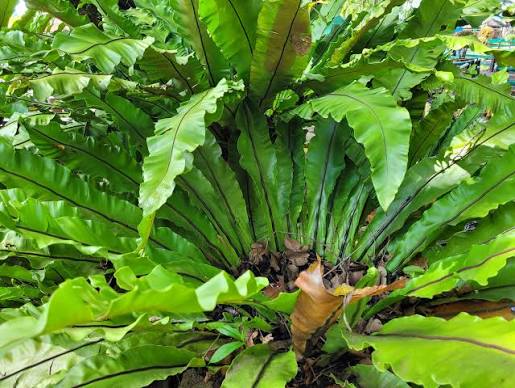
Bird’s Nest Fern is one of the most attractive tropical foliage plants for Indian homes. With its broad, glossy green fronds emerging from a central rosette, the plant creates a dramatic tropical look without demanding direct sunlight or complicated maintenance.
Botanically known as Asplenium nidus, the birds nest fern naturally grows in warm, humid tropical environments. These conditions make it particularly well suited to many parts of India, especially humid cities and coastal regions.
If you are planning to grow a bird nest fern indoors, on a shaded balcony, or in a protected garden area, understanding its light, watering, humidity, soil and feeding requirements can make a considerable difference.
This complete guide explains Bird’s Nest Fern plant care in India, including how to manage the plant through Indian summers, monsoons and winters.
Introduction to Bird’s Nest Ferns
The birds nest fern gets its common name from the way its fronds emerge from a central crown, creating a nest-like appearance.
Unlike many traditional ferns with delicate divided leaves, Asplenium nidus develops large, undivided green fronds. Mature plants can become impressive statement plants when provided with sufficient humidity, warmth and space.
A healthy nest fern can work beautifully in:
- Living rooms
- Bedrooms
- Shaded balconies
- Bathrooms with natural light
- Covered patios
- Indoor gardens
- Offices
- Tropical plant collections
Although people sometimes group ferns together with flowering plants when decorating indoor spaces, Bird’s Nest Fern is not grown for flowers. Its primary attraction is its lush foliage.
Why Bird’s Nest Fern Is Suitable for Indian Homes
India’s climate varies considerably, but many regions provide the warmth that Asplenium nidus prefers.
The plant particularly enjoys:
- Warm temperatures
- Moderate to high humidity
- Protection from harsh afternoon sunlight
- Consistently moist but aerated soil
- Good air circulation
Cities with humid climates can be particularly suitable for a bird nest fern, provided the plant is protected from intense direct sun and excessive monsoon rain.
Indoor growers also have an advantage because lighting, watering and exposure can be controlled more easily.
Complete Bird’s Nest Fern Plant Care in India
Growing a healthy birds nest fern becomes much easier once you understand its natural environment.
Instead of treating it like a typical outdoor garden plant, think of it as a tropical forest plant that naturally receives filtered sunlight and plenty of atmospheric humidity.
Optimal Lighting Conditions for Bird’s Nest Fern
Light is one of the most important factors in healthy nest fern growth.
Bird’s Nest Fern prefers bright indirect light.
A location receiving gentle filtered light for several hours is generally ideal. Near an east-facing window, shaded balcony, verandah or bright indoor area can work very well.
Avoid exposing the plant to intense afternoon sunlight.
Strong direct sun can cause:
- Brown patches
- Scorched leaves
- Crispy leaf edges
- Pale or faded foliage
A little gentle early-morning light can often be tolerated, but the plant should primarily receive bright indirect illumination.
For indoor plants, position your bird nest fern close enough to a window to receive useful light without exposing the leaves to strong direct rays.
Can Bird’s Nest Fern Grow in Low Light?
A nest fern can tolerate moderately low indoor light, but growth may become considerably slower.
For faster development and larger fronds, bright indirect light is preferable.
Very dark rooms without natural light are generally not ideal unless adequate grow lighting is provided.
Watering Bird’s Nest Fern in India
Bird’s Nest Fern enjoys moisture, but permanently soggy soil can quickly cause problems.
Water thoroughly and allow excess water to drain from the pot.
The goal is to maintain slightly moist soil without keeping the root zone waterlogged.
How often you water depends on:
- Temperature
- Humidity
- Pot size
- Potting mixture
- Indoor or outdoor placement
- Season
- Air circulation
Rather than following a fixed schedule, check the growing medium before watering.
Important: Avoid Water Sitting in the Crown
The centre of a birds nest fern is its growing point.
Repeatedly pouring water directly into the crown can allow moisture to remain trapped there, increasing the risk of crown rot.
Whenever possible, water around the growing medium rather than continuously filling the centre of the plant.
Bird’s Nest Fern Watering During Indian Summer
During hot Indian summers, the growing medium may dry considerably faster.
Check the plant frequently.
You may need to water more often if the nest fern is:
- Outdoors
- Growing in a porous pot
- Exposed to warm winds
- Growing in a very airy potting mixture
However, never compensate for high temperatures by keeping the pot permanently soaked.
Humidity and soil moisture are different things.
Bird’s Nest Fern Care During Monsoon
Indian monsoon conditions can be excellent for Bird’s Nest Fern because humidity is naturally high.
However, excessive moisture also creates risks.
During monsoon:
- Protect the pot from continuous heavy rainfall.
- Make sure drainage holes remain open.
- Reduce watering if the soil stays wet longer.
- Maintain good air circulation.
- Watch for fungal leaf spots and crown rot.
A bird nest fern under a covered balcony or shade structure often performs better than one exposed directly to days of continuous rain.
Bird’s Nest Fern Care During Winter
In warmer parts of India, winter care is usually straightforward.
Growth may slow as temperatures fall, so reduce watering slightly if the growing medium remains moist for longer.
Protect Asplenium nidus from cold drafts and unusually low temperatures.
Indoor plants should also be kept away from extremely dry hot air coming directly from heaters.
Humidity Requirements
Humidity is particularly important for Bird’s Nest Fern.
Moderate to high humidity helps produce healthy green fronds and reduces dry brown tips.
Indian monsoon conditions often provide more than enough natural humidity.
During dry seasons, you can increase humidity by:
- Grouping tropical plants together
- Keeping the plant away from drying air currents
- Using a humidifier when necessary
- Placing the plant in naturally humid rooms with suitable light
Misting can temporarily wet the leaves but does not replace stable environmental humidity.
Good humidity should also be accompanied by adequate ventilation.
Best Soil for Bird’s Nest Fern
The ideal growing medium should hold some moisture while allowing plenty of air around the roots.
A heavy mixture made entirely from garden soil is usually unsuitable.
For Indian conditions, a practical mixture can include materials such as:
- Cocopeat
- Coco chips
- Leaf compost
- Compost
- Small amounts of garden soil
- Coarse organic material for aeration
The exact proportions can vary according to your climate and watering habits.
The most important objective is creating a mixture that is:
Moisture-retentive + airy + fast draining.
If the mixture remains muddy for many days, root problems can occur.
Pot Drainage Matters
Always grow your birds nest fern in a container with adequate drainage holes.
Standing water around the roots can eventually cause root rot.
For humid Indian climates, good drainage becomes particularly important during monsoon.
Fertilizing Bird’s Nest Fern
Bird’s Nest Fern does not need aggressive fertilization.
During active growth, a mild balanced fertilizer can be applied periodically.
Always use fertilizer conservatively.
Overfertilization may cause:
- Root damage
- Brown leaf margins
- Salt accumulation
- Weak growth
If using a balanced water-soluble fertilizer, a diluted solution is safer than feeding at excessive strength.
Organic compost can also contribute nutrients when used moderately in the growing medium.
Remember that Asplenium nidus is a foliage plant, so the objective is steady healthy growth rather than forcing unusually rapid development.
Temperature Requirements
Bird’s Nest Fern performs best in warm conditions.
A temperature range around 20°C to 30°C is generally comfortable, although established plants can tolerate some variation.
During very hot Indian summers, temperatures may exceed this range.
When that happens:
- Keep the plant shaded.
- Maintain adequate humidity.
- Prevent the soil from completely drying.
- Provide air circulation.
- Avoid afternoon sun.
A nest fern experiencing both extreme heat and harsh sunlight can deteriorate quickly.
Can Bird’s Nest Fern Grow in an Air-Conditioned Room?
Yes, but placement matters.
Air conditioners can reduce humidity and create constant cool air movement.
Avoid placing the bird nest fern directly in front of the AC airflow.
A room maintained at comfortable temperatures can work well if the plant still receives sufficient bright indirect light and humidity remains reasonable.
Monitor the frond tips. Persistent brown tips may indicate excessively dry conditions.
Repotting Bird’s Nest Fern
Repot when the root system becomes crowded or the potting medium has deteriorated.
Choose a container only moderately larger than the existing pot.
An unnecessarily oversized pot holds excessive moisture and increases the chance of overwatering.
When repotting:
- Handle the root system carefully.
- Keep the central crown above the soil line.
- Use fresh, airy growing media.
- Water lightly after repotting.
- Keep the plant under bright indirect light while it settles.
Avoid burying the crown.
Common Bird’s Nest Fern Problems
Brown Leaf Tips
Brown tips can result from:
- Low humidity
- Irregular watering
- Excess fertilizer
- Salt buildup
- Excessive heat
- Strong sunlight
Trim badly damaged tips if desired, but identify the underlying cause first.
Yellow Leaves
Occasional older yellow leaves are normal.
Multiple yellowing fronds can indicate:
- Excessive watering
- Poor drainage
- Root problems
- Insufficient light
Inspect the soil before adding more water.
Leaf Scorch
If patches appear after strong sunlight exposure, the plant may be experiencing sunburn.
Move the nest fern to a location receiving filtered or bright indirect light.
Crown Rot
A soft or blackened centre is a serious warning sign.
Crown rot is frequently associated with prolonged moisture, stagnant conditions or water remaining inside the crown.
Improve ventilation and avoid keeping the centre constantly wet.
Root Rot
Root rot usually develops when water remains trapped in poorly draining media.
Common signs include:
- Yellow leaves
- Wilting despite wet soil
- Unpleasant-smelling media
- Black or soft roots
Remove affected roots and repot into fresh, better-draining growing media if the problem is caught early.
Pests Affecting Bird’s Nest Fern
Although usually relatively trouble-free, Bird’s Nest Fern can occasionally attract pests such as:
- Mealybugs
- Scale insects
- Aphids
- Spider mites
Inspect both sides of the fronds regularly.
Early detection makes pest management substantially easier.
When treating pests, test any spray on a small section first because fern foliage can sometimes be sensitive to concentrated treatments.
Cleaning and Pruning
Large Bird’s Nest Fern leaves can collect dust indoors.
Occasionally wipe them gently with clean water and a soft cloth.
Remove:
- Completely dead leaves
- Severely damaged fronds
- Diseased foliage
Avoid unnecessary pruning of healthy leaves because every healthy frond contributes to the plant’s energy production.
Bird’s Nest Fern Propagation
Unlike many common houseplants, Asplenium nidus is not normally propagated through stem cuttings.
The natural propagation method is through spores produced on mature fronds.
Spore propagation is possible but takes patience and controlled conditions, so most home gardeners simply purchase young plants rather than propagating them themselves.
Do not assume a mature Bird’s Nest Fern should automatically be split into several plants.
Bird’s Nest Fern vs Flowering Plants Indoors
People selecting greenery for their home often compare foliage plants with flowering plants.
Flowering species provide seasonal colour, while the birds nest fern provides year-round architectural foliage under suitable conditions.
It also works beautifully alongside tropical flowering plants, orchids, Anthuriums and other shade-loving greenery.
For spaces where maintaining blooms is difficult, foliage plants such as Bird’s Nest Fern can provide a consistently attractive alternative.
Where Should You Keep Bird’s Nest Fern?
Some of the best locations include:
Living Room
Place near a bright window but outside harsh direct sunlight.
Bedroom
Suitable if sufficient indirect natural light is available.
Bathroom
A bright bathroom can provide excellent humidity, but a bathroom without adequate light is not ideal.
Balcony
A shaded or covered balcony receiving bright indirect light can be excellent.
Garden
Grow below trees, shade nets or protected structures rather than exposing the fern to full afternoon sun.
Bird’s Nest Fern Care in Warm and Humid Indian Cities
Warm, humid Indian cities can provide excellent conditions for a bird nest fern.
The primary challenge is often not humidity but excessive moisture during rainy periods.
In climates with prolonged monsoon humidity, prioritize:
- Excellent drainage
- Air circulation
- Rain protection
- Proper spacing between plants
- Avoiding water accumulation in the crown
During summer, focus more heavily on shade and consistent moisture.
Frequently Asked Questions
Is Bird’s Nest Fern an indoor plant?
Yes. Bird’s Nest Fern is an excellent indoor foliage plant when provided with sufficient filtered light, humidity and ventilation.
Does Bird’s Nest Fern need sunlight?
It needs light but generally prefers bright indirect light rather than intense direct sun.
How often should I water Bird’s Nest Fern?
There is no universal schedule. Water when the upper portion of the growing medium begins to lose moisture, while preventing the root zone from becoming completely dry or permanently waterlogged.
Can Bird’s Nest Fern survive Indian summer?
Yes. Protect it from intense afternoon sunlight, maintain moisture and provide adequate humidity and airflow.
Can Bird’s Nest Fern survive monsoon?
Yes, and humid monsoon conditions can encourage growth. However, excessive rainfall and prolonged soggy soil can cause root or crown rot.
What fertilizer is best for Bird’s Nest Fern?
A mild balanced fertilizer during active growth is usually sufficient. Avoid strong or excessively frequent feeding.
Can Bird’s Nest Fern grow in an AC room?
Yes, provided it is not directly exposed to cold AC airflow and receives adequate light and humidity.
Why are Bird’s Nest Fern leaves turning brown?
Possible causes include low humidity, underwatering, strong sunlight, excess fertilizer or salt accumulation.
Why is my Bird Nest Fern turning yellow?
Check for excessive watering, poor drainage, insufficient light and root problems.
Is Asplenium nidus difficult to grow?
No. Once its basic requirements for filtered light, moisture, warmth and drainage are understood, Asplenium nidus can be a manageable tropical foliage plant.
Conclusion
Bird’s Nest Fern can be an excellent choice for Indian homes, balconies and tropical gardens.
The essentials are straightforward: provide bright indirect light, maintain moderate moisture, keep the roots well drained, provide humidity and protect the plant from extreme sunlight.
The biggest mistakes are usually overwatering, leaving the crown constantly wet, growing the plant in heavy soil or exposing it to harsh afternoon sun.
With appropriate care, Asplenium nidus develops into an impressive tropical foliage plant with large, fresh green fronds that can remain attractive throughout the year.
If you would like to add one to your plant collection, you can view the Bird’s Nest Fern Plant at Bonotol.