
Thai 7 Guava
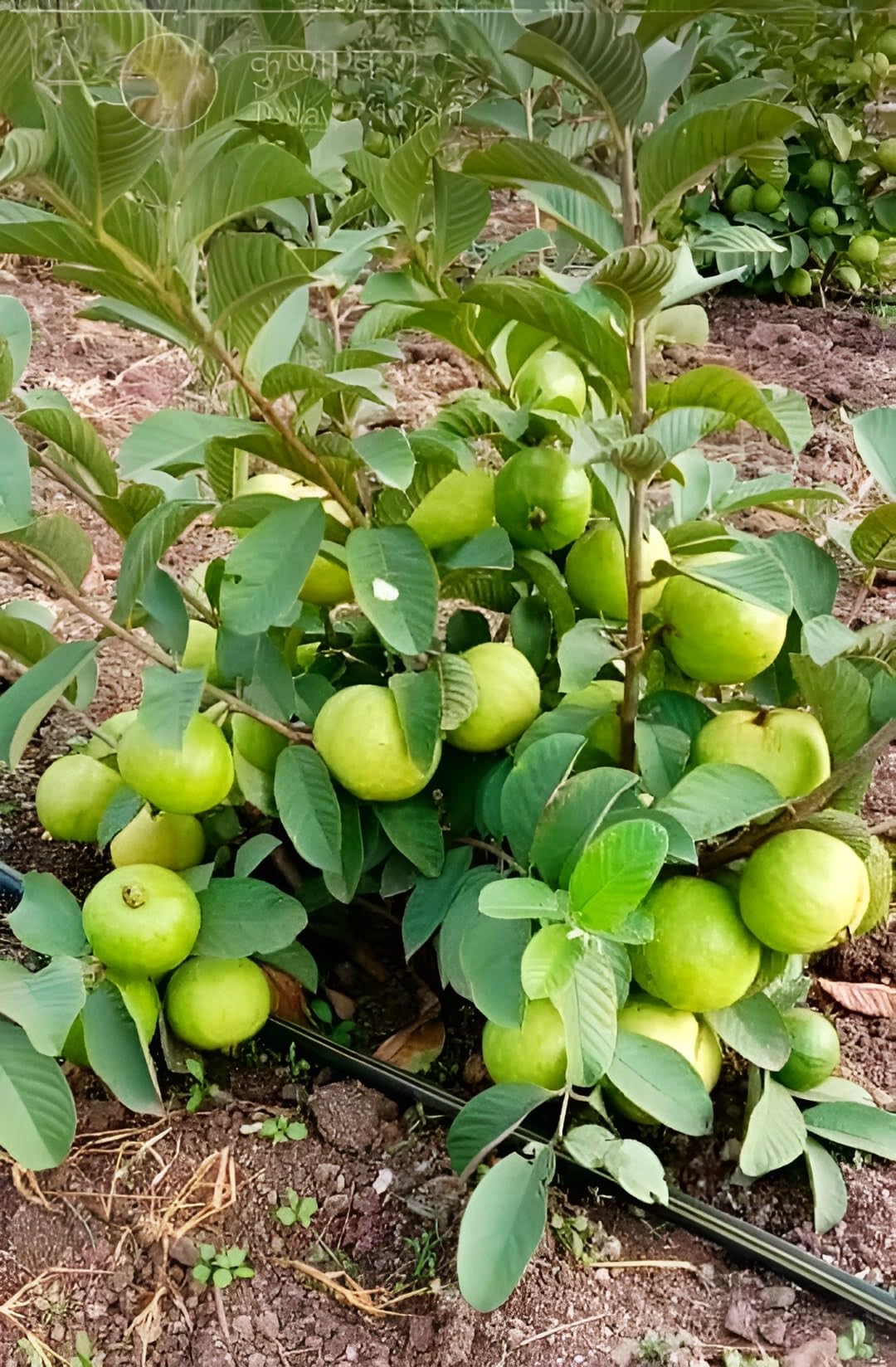
Psidium guajava 'Thai 7'
- Sunlight
- Thai 7 Guava plants thrive in full sun, requiring at least 6-8 hours of direct sunlight daily for optimal growth and fruit production. In extremely hot climates, some afternoon shade can be beneficial to prevent leaf scorch, though direct morning sun is crucial.
- Water
- Water thoroughly when the top 1-2 inches of soil feel dry to the touch, ensuring consistent moisture without waterlogging. Young plants require more frequent watering, while established trees can tolerate slight drying between waterings but perform best with regular hydration.
- Soil
- Thai 7 Guava prefers well-draining soil with a pH between 5.0 and 7.0. A sandy loam mixture enriched with organic matter is ideal, promoting healthy root development and preventing water retention issues.
- Fertilizer
- Fertilize every 2-3 months during the growing season (spring and summer) with a balanced fertilizer, such as a 8-8-8 or 10-10-10 formulation. For fruiting trees, consider a fertilizer higher in phosphorus and potassium once flowering begins.
- Season
- Thai 7 Guava typically flowers in late spring to early summer, with fruits maturing over the summer and fall. In tropical and subtropical climates, fruiting can occur year-round. Protect young plants from frost in cooler regions.
Care Instructions
Thai 7 Guava Plant Care Guide
The Thai 7 Guava (Psidium guajava 'Thai 7') is a popular and prolific fruiting tree known for its sweet, crisp fruit. With proper care, it can be a rewarding addition to your garden or patio.
Sunlight
Thai 7 Guava plants are sun-lovers. They need a minimum of 6 to 8 hours of direct sunlight daily to produce abundant, high-quality fruit. While they can tolerate some afternoon shade in very hot climates, consistent strong morning sun is essential for robust growth and flowering.
Watering
Consistent moisture is key for Thai 7 Guava. Water deeply when the top 1-2 inches of soil feel dry to the touch. Avoid letting the plant sit in standing water, as this can lead to root rot. Young plants will require more frequent watering than mature, established trees. During hot, dry periods, you may need to water daily or every other day.
Soil
These plants thrive in well-draining soil that is rich in organic matter. A slightly acidic to neutral pH (between 5.0 and 7.0) is ideal. A good potting mix for containers or a well-amended garden soil with compost or aged manure will provide the necessary nutrients and drainage.
Fertilization
To support its vigorous growth and fruit production, fertilize your Thai 7 Guava regularly during the growing season (spring and summer). Use a balanced fertilizer with an NPK ratio like 8-8-8 or 10-10-10 every 2-3 months. Once the plant begins to flower and set fruit, you can switch to a fertilizer with a higher phosphorus and potassium content to encourage fruit development.
Pruning
Regular pruning is beneficial for shaping the tree, promoting new growth, and improving fruit production. The best time to prune is after the main fruiting season. Remove any dead, diseased, or crossing branches. You can also prune to maintain a manageable size and encourage a bushier form.
Pest and Disease Management
While relatively hardy, Thai 7 Guava can occasionally encounter pests like aphids, mealybugs, or fruit flies. Inspect your plant regularly and address any infestations promptly with appropriate organic pest control methods or horticultural oils. Ensure good air circulation to help prevent fungal diseases.
Temperature and Humidity
Thai 7 Guava prefers warm, tropical, and subtropical climates. It is sensitive to frost and should be protected if temperatures are expected to drop below freezing. If growing in a container in a cooler climate, consider moving it indoors during winter months or providing frost protection.
Common Problems
Common Problems and Solutions for Thai 7 Guava
Addressing issues promptly ensures a healthy and productive Thai 7 Guava plant.
Yellowing Leaves: Often indicates nutrient deficiency (especially iron or nitrogen) or improper watering. Test soil pH and nutrient levels, and adjust fertilization or watering frequency as needed.
Lack of Fruit Production: Can be due to insufficient sunlight, poor pollination, or nutrient imbalance. Ensure at least 6-8 hours of direct sun, consider hand-pollination if natural pollinators are scarce, and provide a balanced fertilizer.
Wilting Leaves: Usually a sign of under-watering or, less commonly, over-watering leading to root rot. Check soil moisture and adjust watering practices. Ensure good drainage.
Brown Leaf Edges: May indicate under-watering, excessive salt buildup in the soil from fertilizer, or exposure to strong winds. Flush soil with plain water periodically and water consistently.