
No Garden? No Problem! Grow Sweet Black Grapes in Pots with These 7 Steps
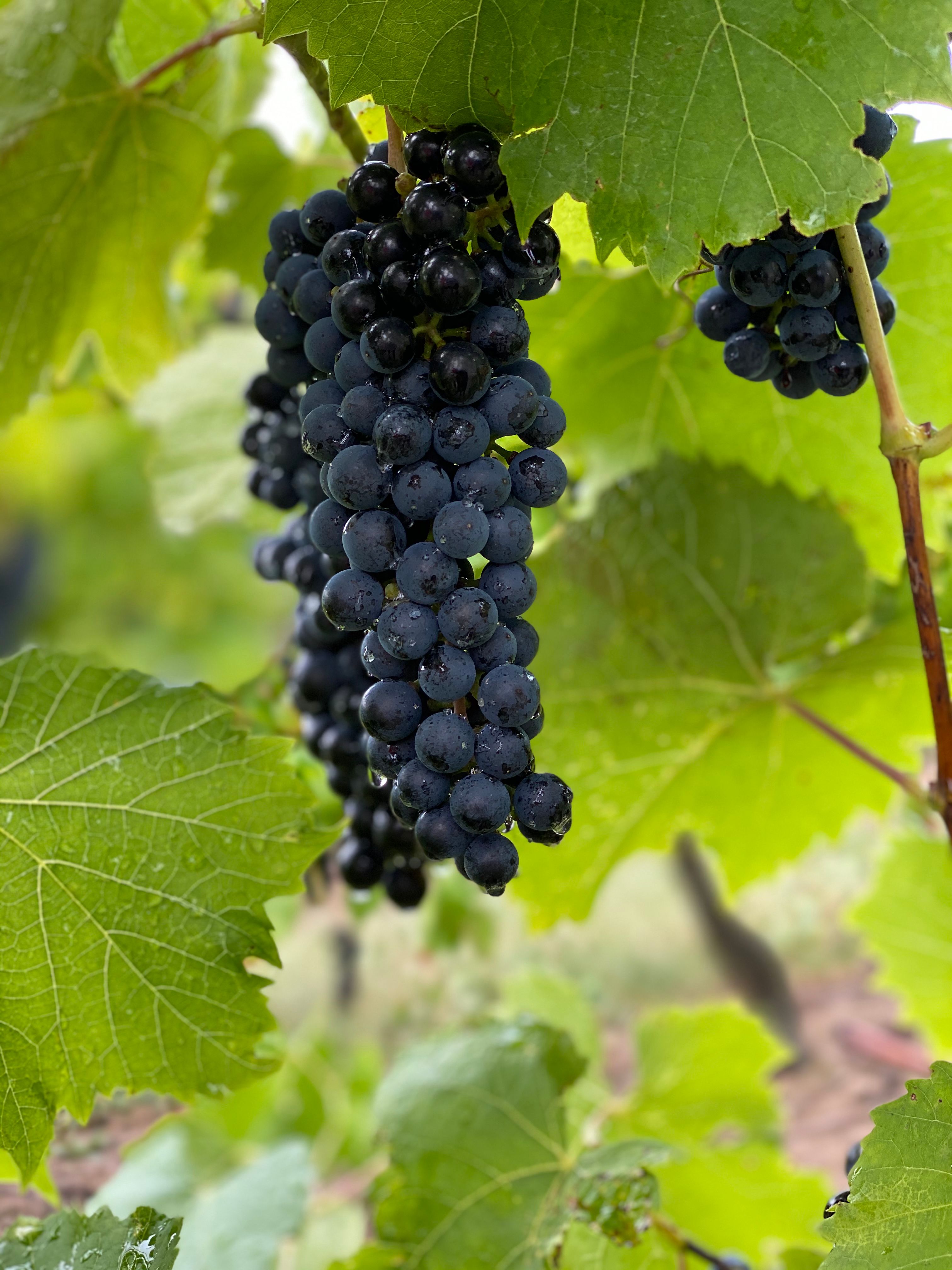
Vitis vinifera L. 'Black Monukka'
- Sunlight
- Black grapevines thrive in full sun, needing at least 6-8 hours of direct sunlight daily to produce sweet, abundant fruit. Position your potted grapevines in the sunniest spot on your balcony, patio, or terrace, preferably facing south.
- Water
- Water potted black grapevines regularly and deeply, especially during dry spells and fruit development. Allow the top inch of soil to dry out between waterings to prevent root rot, typically watering 2-3 times per week during the growing season.
- Soil
- Use a well-draining, fertile potting mix with a slightly acidic to neutral pH (6.0-7.0) for potted black grapevines. A blend of potting soil, compost, and perlite or sand provides excellent drainage and nutrient retention.
- Fertilizer
- Fertilize potted black grapevines in early spring with a balanced slow-release granular fertilizer or a liquid feed once a month during the growing season. Reduce fertilization as the plant enters dormancy in late fall.
- Season
- Black grapevines are deciduous, growing vigorously from spring to fall, producing flowers in late spring, and fruit in late summer to early autumn. Pruning is best performed during late winter or early spring while the plant is dormant.
Care Instructions
7 Easy Steps to Grow Sweet Black Grapes in Pots
Growing your own sweet black grapes on a balcony or patio is surprisingly rewarding. Follow these simple steps to cultivate a thriving grapevine in a container, even without a large garden.
Step 1: Choose the Right Pot
Select a large container, at least 15-20 gallons (60-75 liters) in size, with ample drainage holes. A larger pot provides more soil volume, reducing the need for frequent watering and providing space for root growth.
Terracotta pots offer good breathability, while plastic or glazed pots retain moisture longer.
Step 2: Select a Suitable Grape Variety
Opt for seedless black grape varieties like 'Black Monukka' or 'Concord' that are known to perform well in containers. These varieties are often more compact and better suited for limited spaces.
Step 3: Prepare the Soil and Plant Your Grapevine
Use a high-quality, well-draining potting mix. A blend of compost, perlite, and a general potting soil ensures good aeration and nutrient content.
Carefully remove the grapevine from its nursery pot, loosen any circling roots, and plant it at the same depth it was in its original container. Backfill with soil and water thoroughly.
Step 4: Provide Adequate Sunlight and Support
Place your potted grapevine in a location that receives a minimum of 6-8 hours of direct full sun daily.
Install a sturdy trellis, stake, or cage in the pot at planting time to provide immediate support for the growing vine. Grapes are climbing plants and need structure to grow vertically.
Step 5: Water and Fertilize Consistently
Keep the soil consistently moist but never waterlogged. Check the soil moisture regularly, especially during hot, dry weather, and water when the top inch of soil feels dry.
Fertilize in early spring with a balanced, slow-release granular fertilizer. Supplement with a liquid feed every 4-6 weeks during the active growing season (spring through summer).
Step 6: Prune for Health and Fruit Production
Pruning is crucial for grapevines. Perform dormant pruning in late winter or early spring by removing weak, dead, or crossing canes and shaping the vine to encourage fruit production on one-year-old wood.
Summer pruning involves light trimming to remove excessive foliage, improve air circulation, and direct energy towards fruit development.
Step 7: Harvest Your Sweet Grapes
Black grapes are typically ready for harvest in late summer to early autumn, depending on the variety and local climate.
Taste a few grapes to determine ripeness; they should be sweet and fully colored. Cut entire clusters from the vine with clippers.
Common Problems
Common Problems and Fixes for Potted Black Grapes
Yellowing Leaves
Cause: Often a sign of nutrient deficiency (iron chlorosis) or overwatering. Ensure proper drainage and nutrition.
Fix: Apply a balanced fertilizer with micronutrients. Check soil moisture before watering and prevent waterlogging.
Poor Fruit Set
Cause: Insufficient pollination, lack of sunlight, or improper pruning. Grapes are mostly self-pollinating but can benefit from air movement.
Fix: Ensure adequate sunlight exposure. Review pruning techniques to encourage fruiting wood. Gently shake the plant lightly during flowering to aid pollination.
Powdery Mildew
Cause: Fungal disease appearing as white powdery patches on leaves and stems, common in humid conditions with poor air circulation.
Fix: Improve air circulation around the plant. Remove affected leaves. Consider using an organic fungicide if the problem persists.
Pests (e.g., Aphids, Spider Mites)
Cause: Small insects feeding on sap, leading to distorted growth and reduced vigor.
Fix: Rinse foliage with water to dislodge pests. Use insecticidal soap for more persistent infestations. Introduce beneficial insects if growing outdoors.