
Monstera Deliciosa Care
Monstera deliciosa
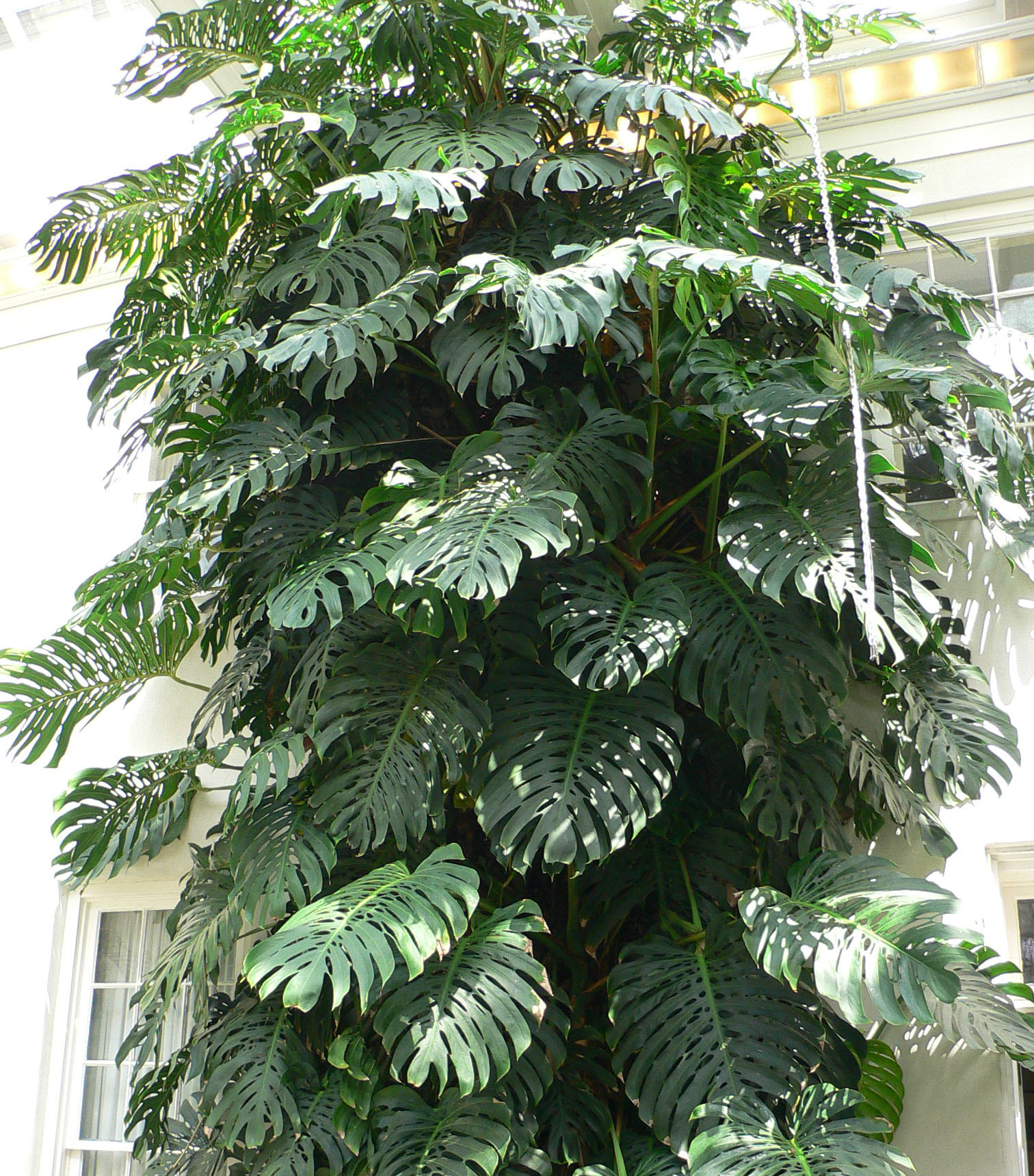
- Sunlight
- Monstera Deliciosa thrives in bright, indirect light. Avoid direct, intense sunlight, which can scorch its leaves. A spot near an east or north-facing window is ideal.
- Water
- Water your Monstera thoroughly when the top 2-3 inches of soil feel dry to the touch. Allow excess water to drain completely from the bottom of the pot. Reduce watering frequency in cooler, darker months.
- Soil
- Use a well-draining potting mix rich in organic matter. An ideal blend includes potting soil, perlite, and orchid bark for optimal aeration and drainage. This prevents waterlogging and promotes healthy root growth.
- Fertilizer
- During the growing season (spring and summer), fertilize your Monstera every 2-4 weeks with a balanced liquid fertilizer diluted to half strength. Suspend fertilization during fall and winter when the plant's growth naturally slows.
- Season
- Monstera Deliciosa actively grows during spring and summer, requiring consistent watering and fertilization. In fall and winter, growth slows, so reduce watering and stop fertilizing to prevent root issues. Maintain consistent indoor temperatures year-round.
Care Instructions
Monstera Deliciosa Care Guide
The Monstera Deliciosa, often called the Swiss Cheese Plant, is a beloved houseplant known for its striking, fenestrated leaves. With proper care, it can grow into a magnificent specimen, bringing a touch of the tropics to your home.
Light Requirements
Monstera Deliciosa thrives in bright, indirect light. A spot near an east or north-facing window is ideal. Direct afternoon sun can scorch its leaves, leading to brown spots. If your plant isn't developing its characteristic splits (fenestrations), it may need more light.
Watering Your Monstera
Water thoroughly when the top 2-3 inches of soil feel dry to the touch. Allow water to drain completely from the pot's bottom. Never let your Monstera sit in standing water, as this can lead to root rot. Reduce watering frequency during the cooler, darker months of fall and winter when the plant's growth slows down.
Soil and Potting
A well-draining, aerated potting mix is crucial for Monstera Deliciosa. We recommend a blend containing:
High-quality potting soil
Perlite or pumice for drainage
Orchid bark or coco coir for aeration and moisture retention
Repot your Monstera every 1-2 years, or when it becomes root-bound, into a pot one size larger. Ensure the new pot has drainage holes.
Humidity and Temperature
Monstera Deliciosa appreciates high humidity, mimicking its native tropical environment. Aim for humidity levels between 60-80%. You can increase humidity by:
Using a humidifier
Placing the pot on a pebble tray filled with water
Grouping it with other plants
Maintain consistent indoor temperatures between 65-80°F (18-27°C). Avoid sudden temperature fluctuations and cold drafts.
Fertilization
Feed your Monstera Deliciosa every 2-4 weeks during its active growing season (spring and summer) with a balanced liquid fertilizer diluted to half strength. Do not fertilize during fall and winter, as the plant is in a dormancy period and will not utilize the nutrients effectively.
Pruning and Support
Prune your Monstera to maintain its shape, control size, and remove any yellowing or damaged leaves. Use clean, sharp shears. As your Monstera grows, it will benefit from a moss pole or stake for support, which encourages larger leaves and aerial root attachment.
Propagation
Monstera Deliciosa can be easily propagated from stem cuttings. Take a cutting with at least one node and an aerial root, if possible. Place the cutting in water or a moist sphagnum moss until roots develop, then transfer to soil.
Common Problems
Common Monstera Deliciosa Problems and Solutions
Yellowing Leaves
Often indicates overwatering or nutrient deficiency. Check soil moisture and adjust watering. If soil is consistently wet, ensure proper drainage. Consider a balanced fertilizer during the growing season.
Brown Leaf Tips/Edges
Typically caused by low humidity, underwatering, or fluoride in tap water. Increase humidity with a humidifier or pebble tray. Ensure consistent watering. Use filtered or distilled water if tap water is suspected.
Lack of Fenestrations (Leaf Splits)
Young plants or those receiving insufficient light may not develop fenestrations. Provide bright, indirect light. As the plant matures and receives adequate light, fenestrations will develop naturally.
Pests (Spider Mites, Mealybugs)
Inspect your plant regularly. Isolate infested plants. Use insecticidal soap or neem oil to treat affected areas, following product instructions carefully. Repeated applications may be necessary.