
Lemon Plant (Container Grown)
Citrus limon
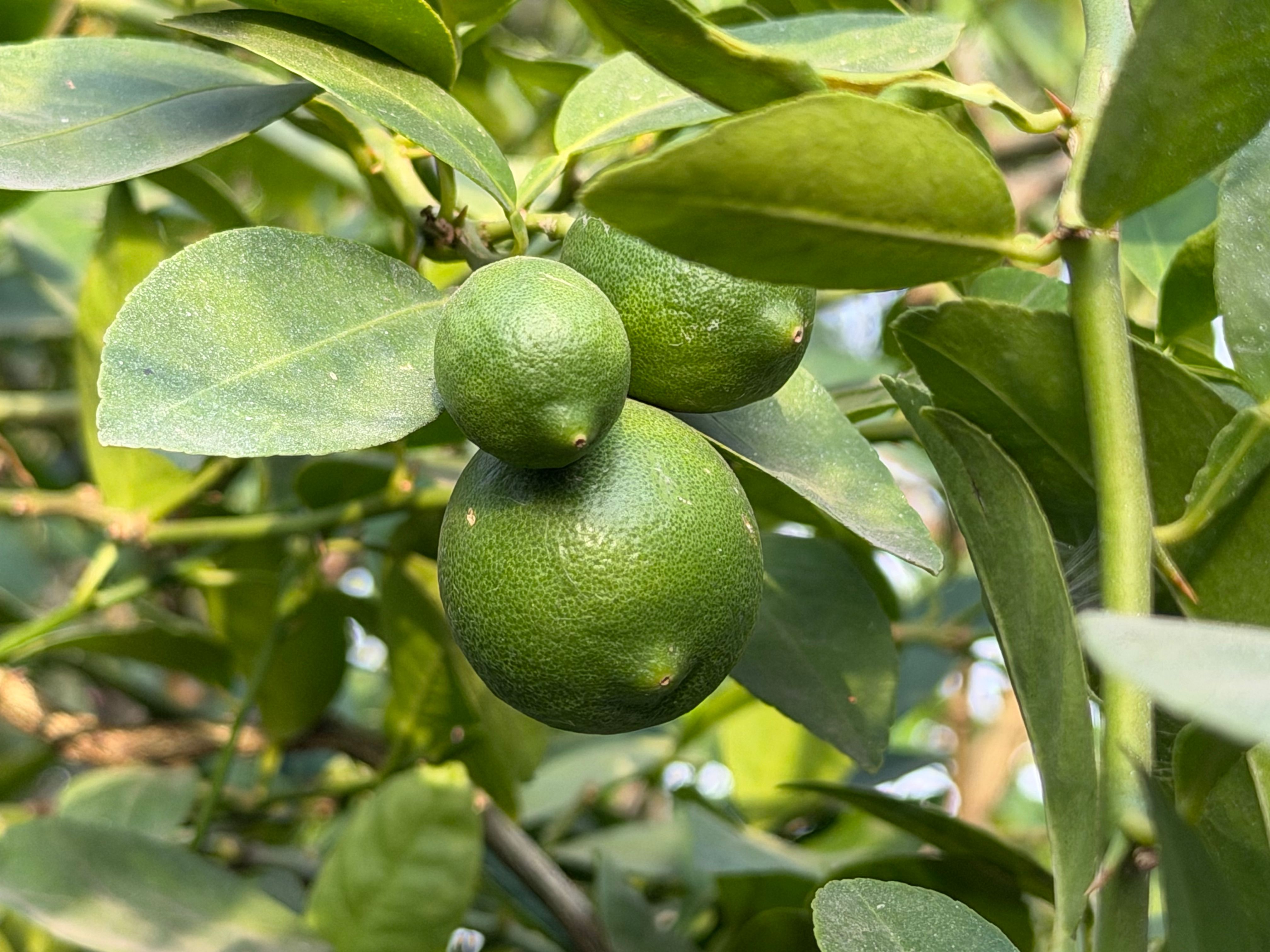
- Sunlight
- Lemon plants thrive in full sun, requiring at least 6-8 hours of direct sunlight daily for optimal growth and fruit production. In regions with intense afternoon sun, particularly during peak summer, providing partial shade during the hottest hours can prevent leaf scorch.
- Water
- Water container-grown lemon plants consistently, allowing the top 1-2 inches of soil to dry out before watering again. During hot, dry periods, this might mean watering every 1-2 days, while in cooler or humid weather, watering every 3-5 days might suffice. Ensure good drainage to prevent root rot.
- Soil
- Utilize a well-draining potting mix specifically formulated for citrus or container gardening. A mix incorporating perlite, coco coir, or sand will enhance drainage and aeration, which is crucial for healthy root development in containers. Maintain a soil pH between 6.0 and 7.0 for best nutrient uptake.
- Fertilizer
- Feed your lemon plant with a balanced slow-release fertilizer or a liquid citrus-specific fertilizer throughout its growing season. Apply fertilizer every 4-6 weeks from spring through early autumn, following the product's dilution and application instructions carefully. Reduce fertilization during the cooler, dormant months.
- Season
- Lemon plants in India can fruit year-round in favorable climates, with peak flowering and fruiting often occurring after the monsoon and through the winter months. Protect container plants from extreme cold spells by moving them indoors or to a sheltered location if temperatures drop below 5 degrees Celsius. Actively growing from spring through autumn.
Care Instructions
Comprehensive Care Guide for Your Container-Grown Lemon Plant
Growing a lemon plant in a container in India, especially in regions like Kolkata, can be a rewarding experience. With the right care, you can enjoy fresh lemons right from your balcony or patio. This guide will help you keep your lemon tree healthy and productive.
1. Potting and Repotting
Choosing the Right Pot:
Select a large pot (at least 15-20 inches in diameter for a young plant) with excellent drainage holes. Terracotta or ceramic pots are ideal as they allow for better air circulation around the roots, but plastic pots are also suitable if drainage is ensured. As the plant grows, you will need to repot it into a larger container every 2-3 years.
Potting Mix:
Use a premium, well-draining potting mix specifically designed for citrus trees or container planting. This typically includes a mix of peat moss, perlite, vermiculite, and a small amount of sand to ensure proper drainage and aeration.
2. Sunlight Requirements
Lemon plants are sun-worshippers. They require a minimum of 6-8 hours of direct sunlight daily to produce abundant flowers and fruit. Place your container in the sunniest spot available, such as a south-facing balcony or rooftop. In extremely hot summer afternoons, a brief period of partial shade can prevent leaf burn, but consistent bright light is essential.
3. Watering Properly
The key to watering container plants is consistency and avoiding waterlogging. Check the soil moisture daily by sticking your finger about 1-2 inches deep into the soil. If it feels dry, it's time to water thoroughly until water drains from the bottom of the pot. Never let the pot sit in standing water. Adjust watering frequency based on weather conditions: more often during hot, dry periods and less frequently during cooler, humid seasons.
4. Fertilization for Fruit Production
Lemon trees are heavy feeders. Use a specialized citrus fertilizer that is rich in nitrogen, phosphorus, and potassium, along with micronutrients like iron, zinc, and manganese. During the active growing period (spring to early autumn), feed your plant every 4-6 weeks. Follow the fertilizer package instructions for dosage, as over-fertilization can be detrimental. Reduce feeding during winter when growth slows.
5. Pruning and Training
Pruning helps maintain the plant's shape, encourages new growth, and improves air circulation, which is vital for container plants. Prune lightly to remove dead, diseased, or crossing branches. You can also pinch back growing tips to encourage a bushier form. The best time for major pruning is after the main fruiting season. Remove suckers that sprout from below the graft union.
6. Pest Management
Regularly inspect your lemon plant for common pests like aphids, scale insects, and mealybugs. Early detection is crucial. For minor infestations, a strong spray of water can dislodge pests. Bonotol offers effective organic solutions that are safe for edible plants if infestations persist. Maintain good air circulation and plant hygiene to prevent pest issues.
7. Winter Care in India
While many parts of India do not experience harsh winters, if temperatures in your region drop consistently below 5 degrees Celsius, consider moving your container lemon plant to a sheltered location or indoors near a sunny window. Protect it from cold winds and frost. Reduce watering frequency during the cooler months as the plant's growth slows down.
8. Pollination
Most lemon varieties are self-pollinating. However, if your plant is kept indoors and you notice a lack of fruit set, you can gently hand-pollinate by using a small, soft brush to transfer pollen from one flower to another. This is often unnecessary for outdoor plants where insects handle pollination.
Common Problems
Common Problems and Solutions for Container-Grown Lemon Plants
Yellowing Leaves
Cause: Often a sign of nutrient deficiency (especially iron or nitrogen), overwatering, or underwatering. Poor drainage can also contribute.
Fix: Check soil moisture and drainage. Ensure balanced fertilization. If iron deficiency is suspected, use a chelated iron supplement. Adjust watering schedule.
Leaf Drop
Cause: Sudden changes in temperature, under/overwatering, or nutrient stress. Can also be a response to pest infestations.
Fix: Maintain consistent watering. Ensure stable temperatures and offer protection from cold drafts. Rule out pests and refer to fertilization schedule.
No Flowers/Fruit
Cause: Insufficient sunlight, inadequate nutrition, or very young plant age.
Fix: Move the plant to a location receiving at least 6-8 hours of direct sun. Ensure regular feeding with a citrus-specific fertilizer that supports blooming. Patience is key for young plants.
Pests (Aphids, Scale Insects, Mealybugs)
Cause: These common sap-sucking pests can weaken the plant.
Fix: Regularly inspect your plant. For minor infestations, wipe pests off with a damp cloth or use a strong stream of water. Consider Bonotol's organic pest control options specifically designed for edible plants.