
Dendrobium Morning Sun Orchid
Dendrobium 'Morning Sun'
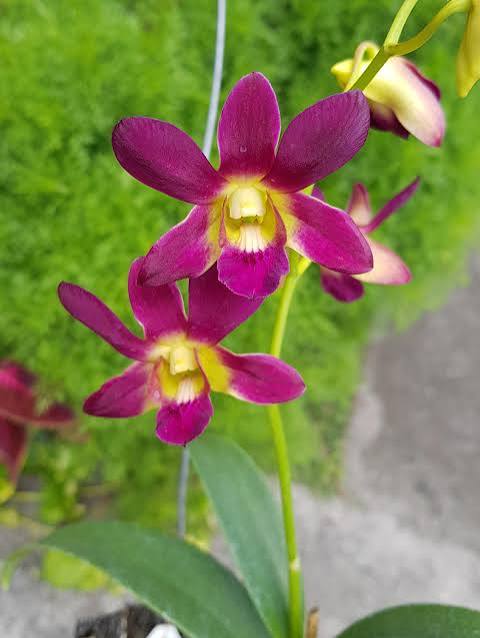
- Sunlight
- Provide bright, indirect sunlight for your Dendrobium Morning Sun Orchid. An east-facing window is ideal, offering gentle morning sun without the harsh intensity of direct afternoon light. Too much direct sun can scorch the leaves, while too little light will inhibit blooming.
- Water
- Water your Dendrobium Morning Sun Orchid thoroughly when the potting medium is nearly dry. This typically means watering once every 7-10 days, but frequency may vary based on humidity and temperature. Ensure excess water drains completely from the pot to prevent root rot.
- Soil
- Use a well-draining orchid potting mix specifically formulated for epiphytic orchids. This mix usually consists of fir bark, charcoal, and perlite, providing excellent aeration and drainage. Avoid heavy garden soil, which will suffocate the roots.
- Fertilizer
- During the active growing season, typically spring through fall, fertilize your Dendrobium Morning Sun Orchid every two weeks with a balanced orchid fertilizer diluted to half strength. Reduce or cease fertilization during the cooler, dormant months of winter. Always water thoroughly before fertilizing to protect the roots.
- Season
- Dendrobium Morning Sun Orchids have a distinct growing season from spring to fall, followed by a semi-dormant period in winter. During the growing season, focus on regular watering and fertilization to support new growth and flower production. In winter, reduce watering and stop fertilizing to encourage a rest period, which is crucial for reblooming.
Care Instructions
Caring for Your Dendrobium Morning Sun Orchid from Bonotol
Congratulations on your new Dendrobium Morning Sun Orchid! With proper care, this beautiful plant will thrive and reward you with stunning blooms. Here's a detailed guide to help you get started:
Upon Arrival
Unpack Carefully: Gently remove your orchid from its packaging, being mindful of delicate blooms and leaves.
Initial Inspection: Check for any signs of stress or damage during transit. It's normal for a plant to be a little thirsty after its journey.
Acclimatization: Place your orchid in its chosen location with suitable light and allow it to acclimate for a few days before its first watering.
Light Requirements
Dendrobium Morning Sun Orchids flourish in bright, indirect light. Think of a location where it can receive the gentle morning sun, like an east-facing window, or bright filtered light throughout the day. Avoid direct afternoon sun, which can easily scorch the delicate leaves. If your plant is not blooming, a lack of adequate light is often the primary reason.
Watering Guidelines
The key to successful orchid watering is to water thoroughly when the potting medium is nearly dry. Stick your finger about an inch into the bark mix; if it feels dry, it's time to water. This typically translates to watering once every 7 to 10 days, but adjust based on your home's humidity and temperature. When watering, place the pot in a sink and allow water to run through it for several minutes. Ensure all excess water drains away completely, as standing water can lead to root rot.
Potting Medium
Your Dendrobium Morning Sun Orchid arrives in a specialized orchid potting mix designed for excellent drainage and aeration. This mix is usually composed of fir bark, charcoal, and perlite, which mimics the epiphytic nature of orchids in their natural habitat. Do not repot immediately unless absolutely necessary; allow the plant to settle into its new environment first. When repotting becomes necessary (typically every 1-2 years), use a similar coarse, well-draining orchid mix.
Fertilization Schedule
During its active growth phase, from spring through fall, feed your orchid with a balanced orchid fertilizer. A common practice is to use a fertilizer with an NPK ratio like 20-20-20, diluted to half the recommended strength, every two weeks. Always water your orchid before applying fertilizer to prevent root burn. As winter approaches and growth slows, reduce or cease fertilization entirely to allow the plant a period of rest, which is essential for stimulating future blooms.
Temperature and Humidity
Dendrobium Morning Sun Orchids prefer daytime temperatures between 65-80°F (18-27°C) and nighttime temperatures around 55-65°F (13-18°C). A temperature drop at night can encourage blooming. These orchids appreciate moderate to high humidity, ideally between 50-70%. If your home is dry, especially in winter, consider placing your orchid on a pebble tray filled with water (ensuring the pot is not sitting directly in the water) or using a room humidifier.
Air Circulation
Good air circulation is vital for preventing fungal diseases. Ensure your orchid is not crowded by other plants and has sufficient airflow around its leaves and potting medium. Avoid placing it in stagnant air pockets.
Encouraging Blooms
For your Dendrobium Morning Sun Orchid to rebloom, it typically requires a distinct winter rest period. This involves slightly cooler temperatures, reduced watering, and no fertilization for several weeks. This stress can trigger the development of flower spikes in the spring.
By following these detailed care instructions, your Dendrobium Morning Sun Orchid will continue to be a beautiful and rewarding addition to your home. Happy growing!
Common Problems
Common Problems and Solutions
Here are some common issues you might encounter with your Dendrobium Morning Sun Orchid and how to address them:
Wrinkled Leaves: This often indicates underwatering or insufficient humidity. Increase watering frequency and consider placing the pot on a pebble tray filled with water to boost humidity around the plant.
No Blooms: Lack of flowering is usually due to insufficient light or an inadequate winter rest period. Ensure the plant receives ample bright, indirect light and experiences a cooler, drier period in winter.
Yellowing Leaves: Overwatering is a common culprit for yellowing leaves, which can lead to root rot. Allow the potting medium to dry out more between waterings and check for proper drainage. It can also be a sign of nutrient deficiency, which can be addressed with regular, appropriate fertilization.
Black Spots on Leaves: These spots can be a fungal issue, often caused by poor air circulation and excessive moisture. Improve air circulation around the plant and avoid getting water on the leaves, especially overnight.
Pests (Mealybugs, Scale): Inspect your orchid regularly for pests. If detected, gently wipe them off with a cotton swab dipped in rubbing alcohol. For more persistent infestations, horticultural oil can be used according to product instructions.